

Writing from the
cedana team.
insights from the team.
Field reports, engineering deep-dives, and benchmarks from the Cedana team.
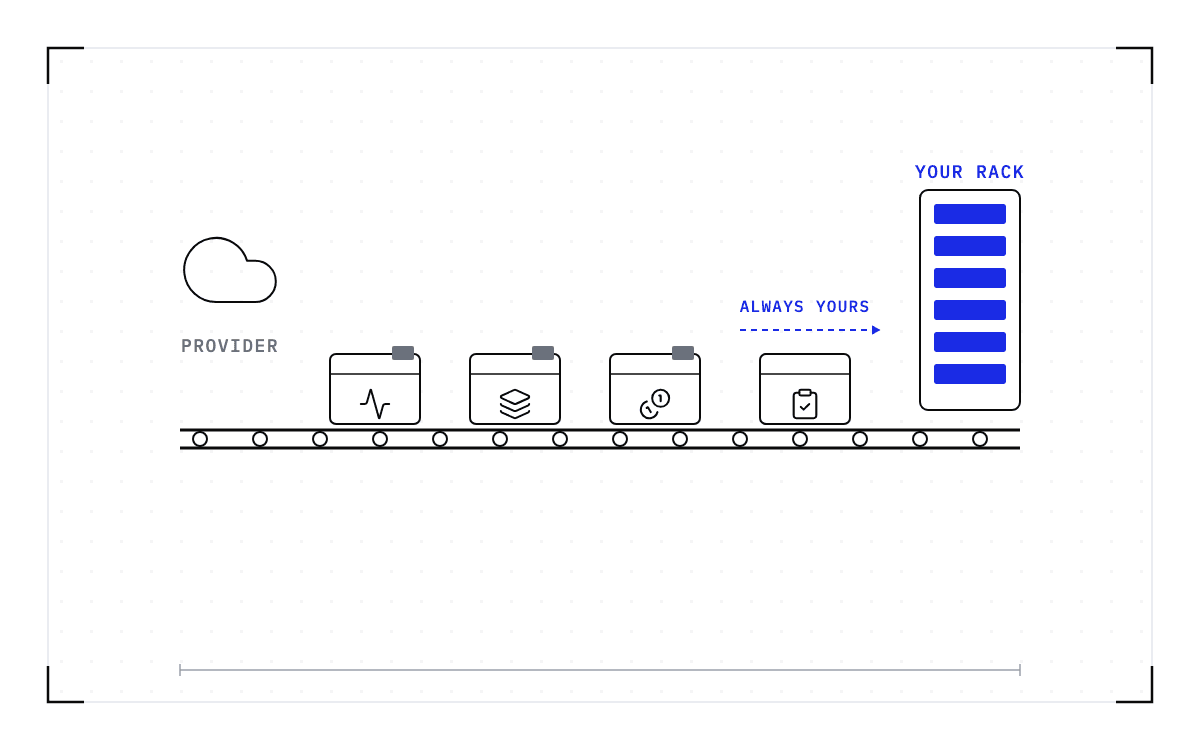

Sovereignty has a bill: the transferred duties and the availability math
Size the availability responsibilities of running inference on your own hardware, including spare capacity, recovery time and a single node's outage allowance.
read →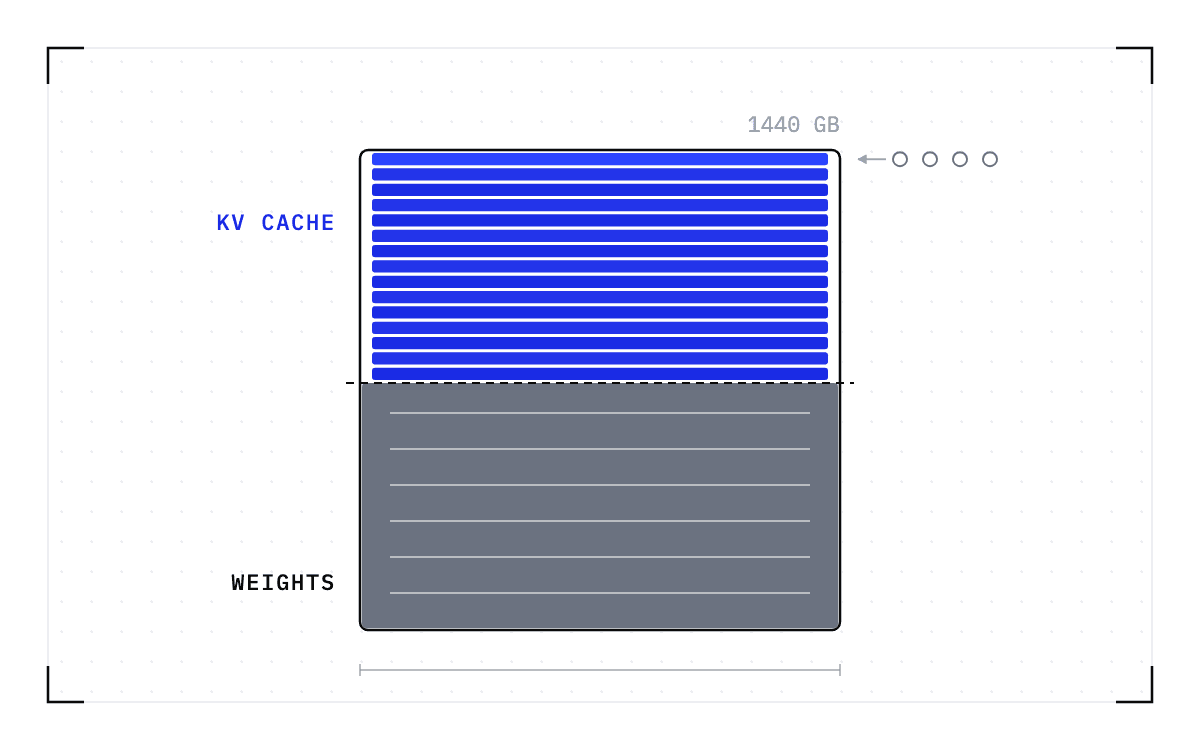

Your KV cache now rivals your weights
Calculate KV cache bytes from model configuration, precision and context length, then estimate how many live sessions fit after the weights are loaded.
read →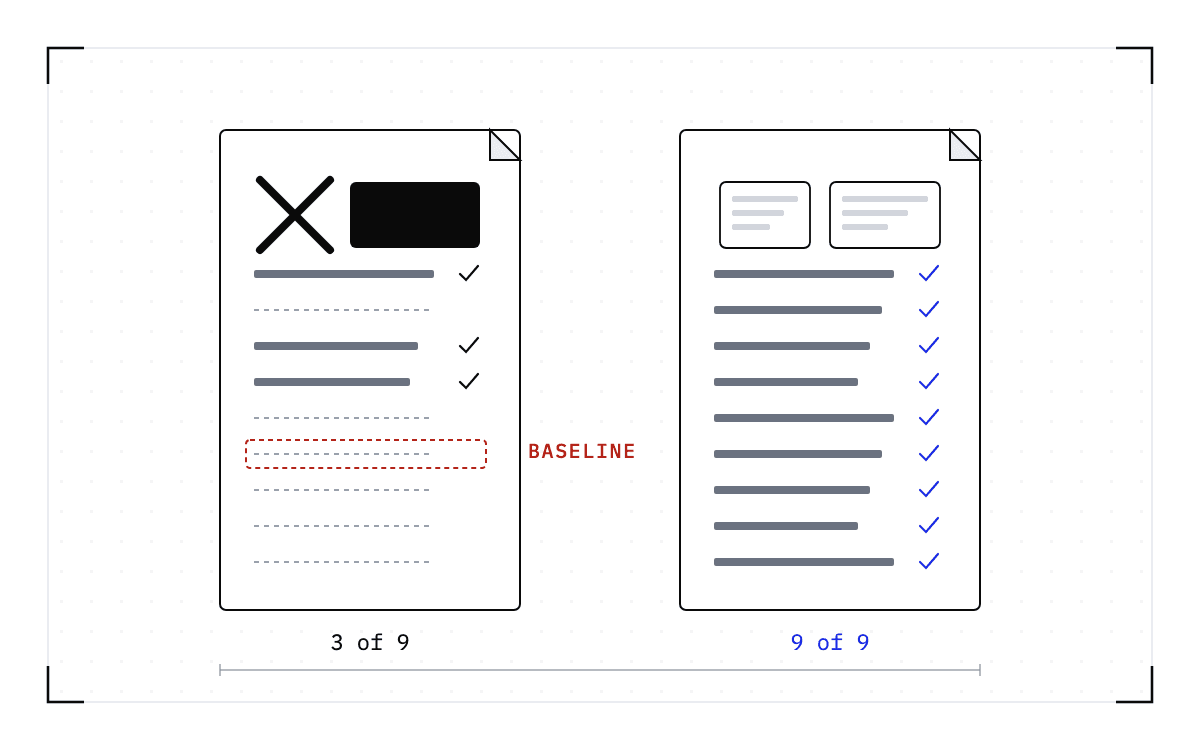

How to read a checkpoint benchmark
Evaluate checkpoint benchmarks using nine disclosures, from capture scope and clock boundaries to storage, repeated runs and performance after restoration.
read →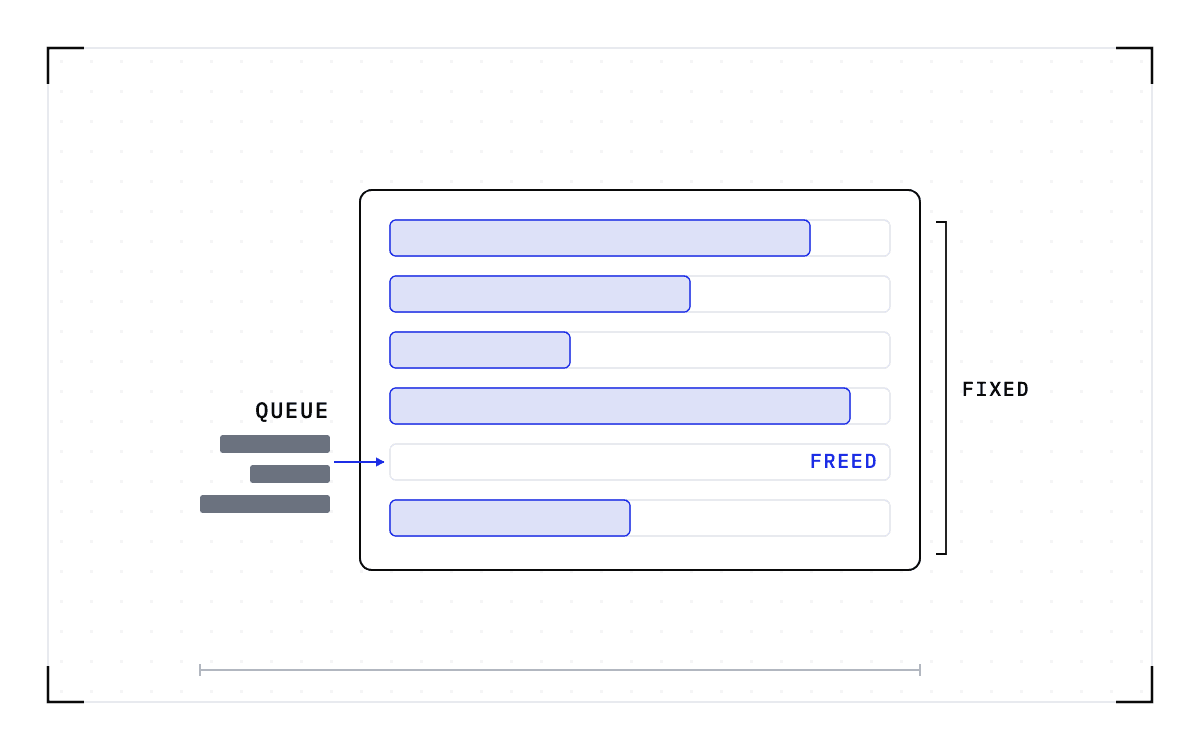

The engine layer: batching, caching, and configuration as a commitment
Understand how continuous batching, paged KV memory and prefix caching affect serving performance, and why changing a worker's regime means launching a new one.
read →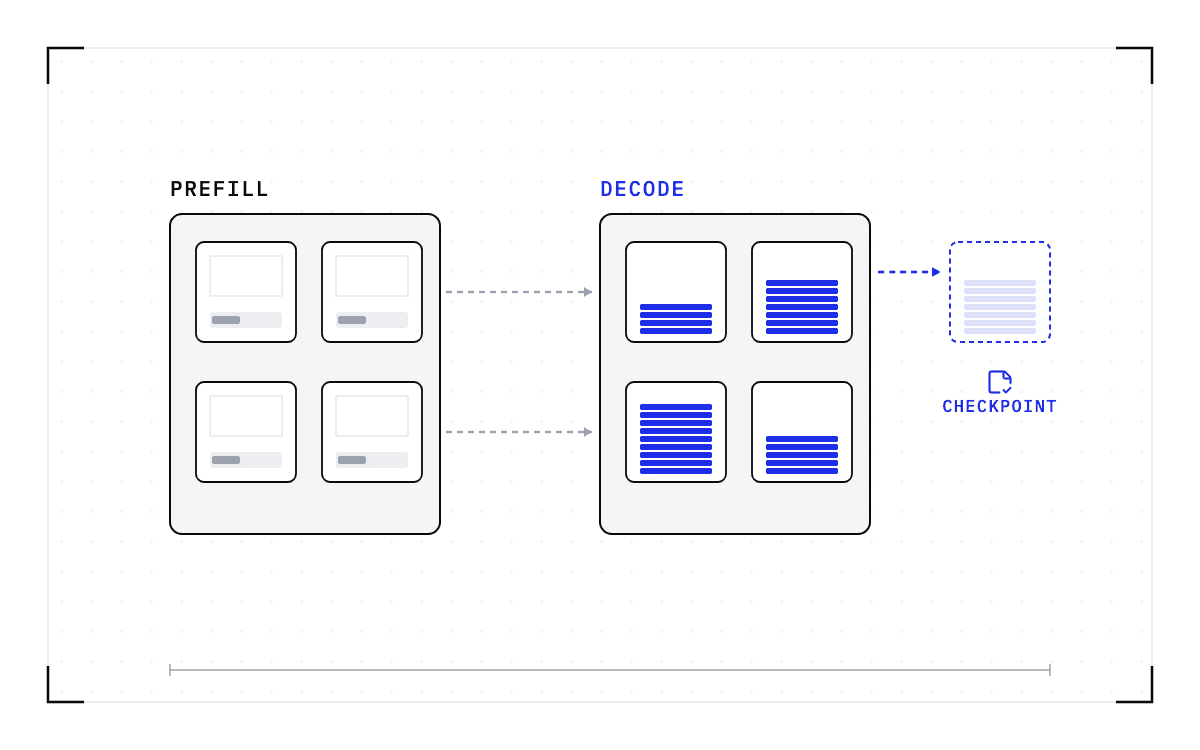

Does disaggregated serving remove the need to move GPU workers?
See why separating prefill and decode does not make serving workers stateless, and what moving a worker means for its KV cache, sessions and startup cost.
read →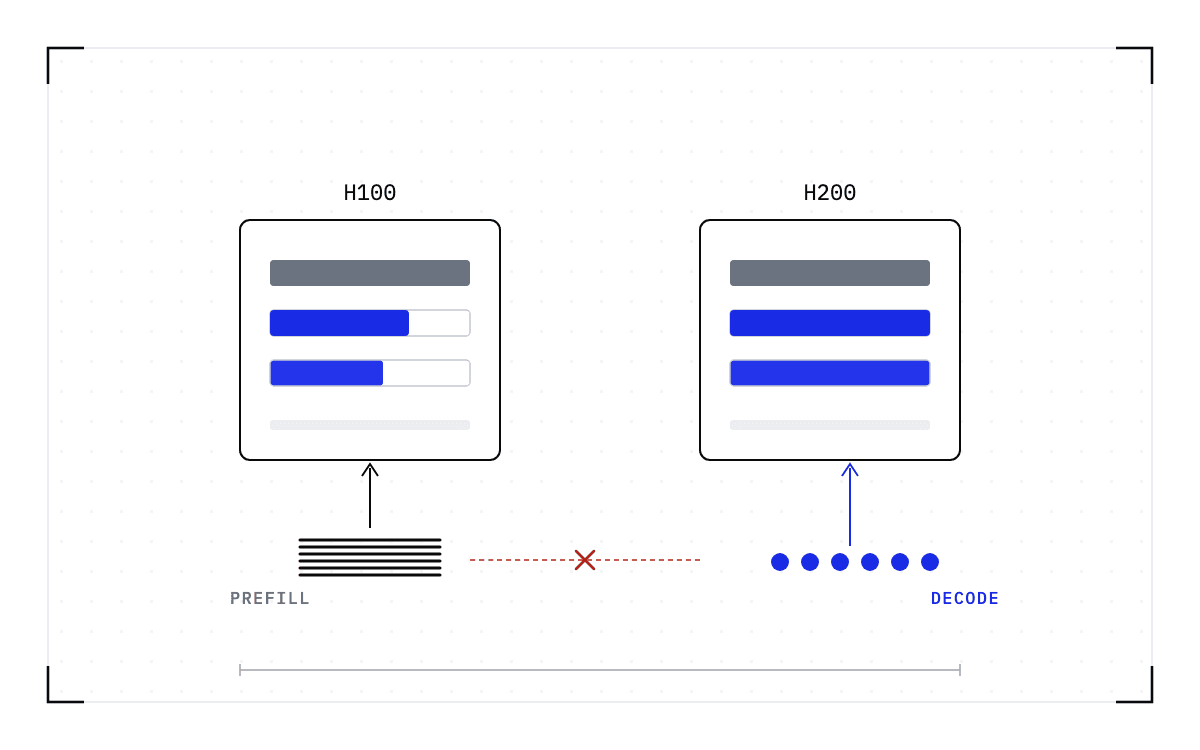

H100 for prefill, H200 for decode: the mismatch you pay for twice
Compare H100 and H200 memory and compute for prefill and decode. Account for cache-transfer cost and why moving across GPU models still requires a cold start.
read →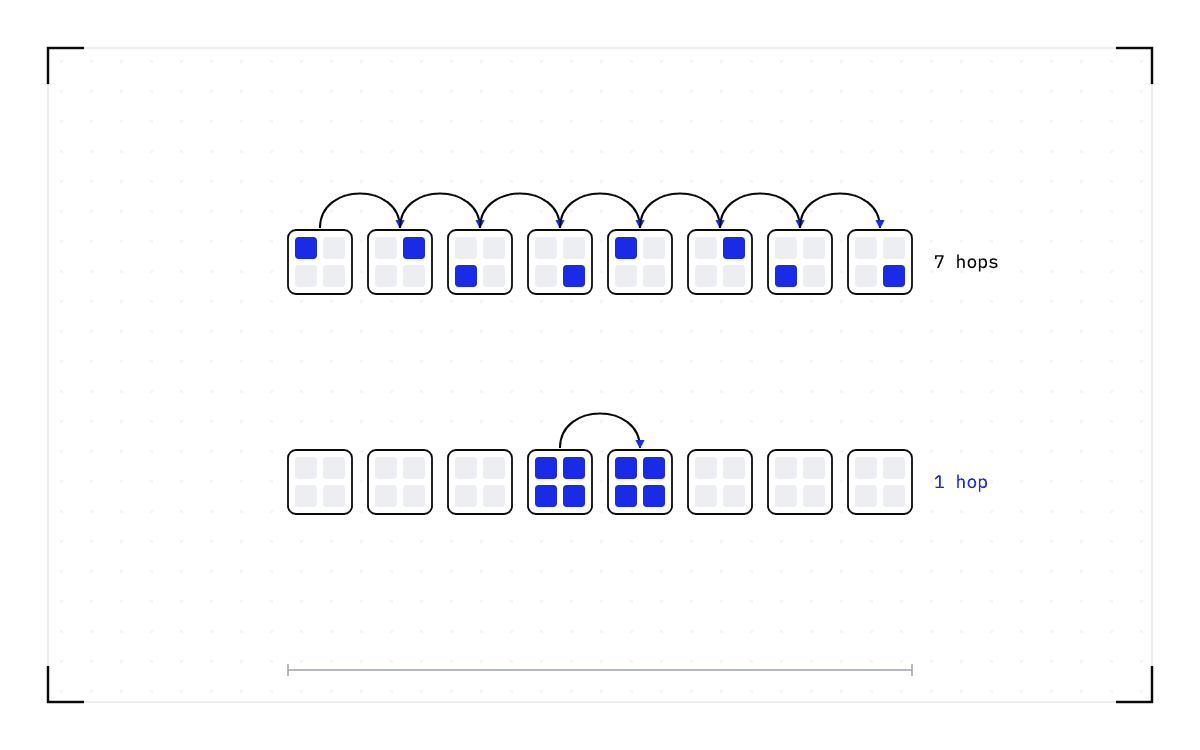

Expert placement in a mixture-of-experts deployment is a systems decision
Separate a model router's expert choices from the deployment layout you control. Review expert placement, attention parallelism and communication overlap.
read →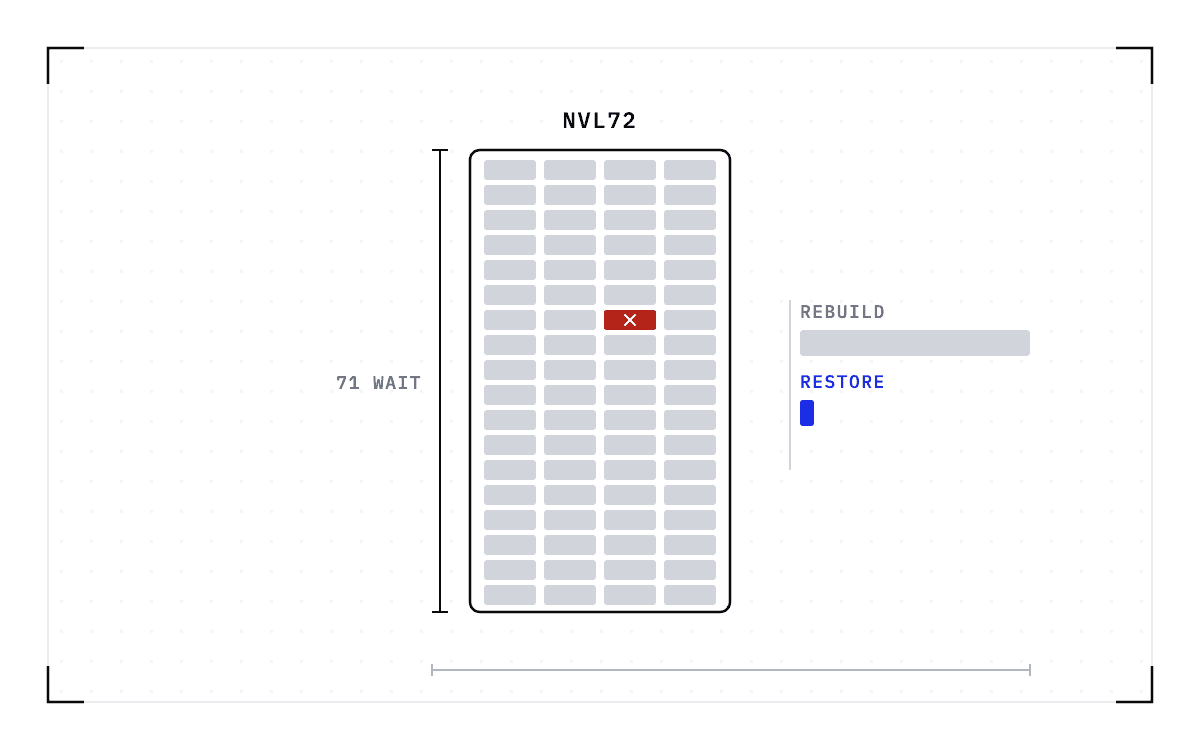

One GPU fails and 71 healthy GPUs wait
Understand how one failure stalls a tensor-parallel NVL72 workload, how recovery consumes healthy GPU-hours, and where published measurements stop.
read →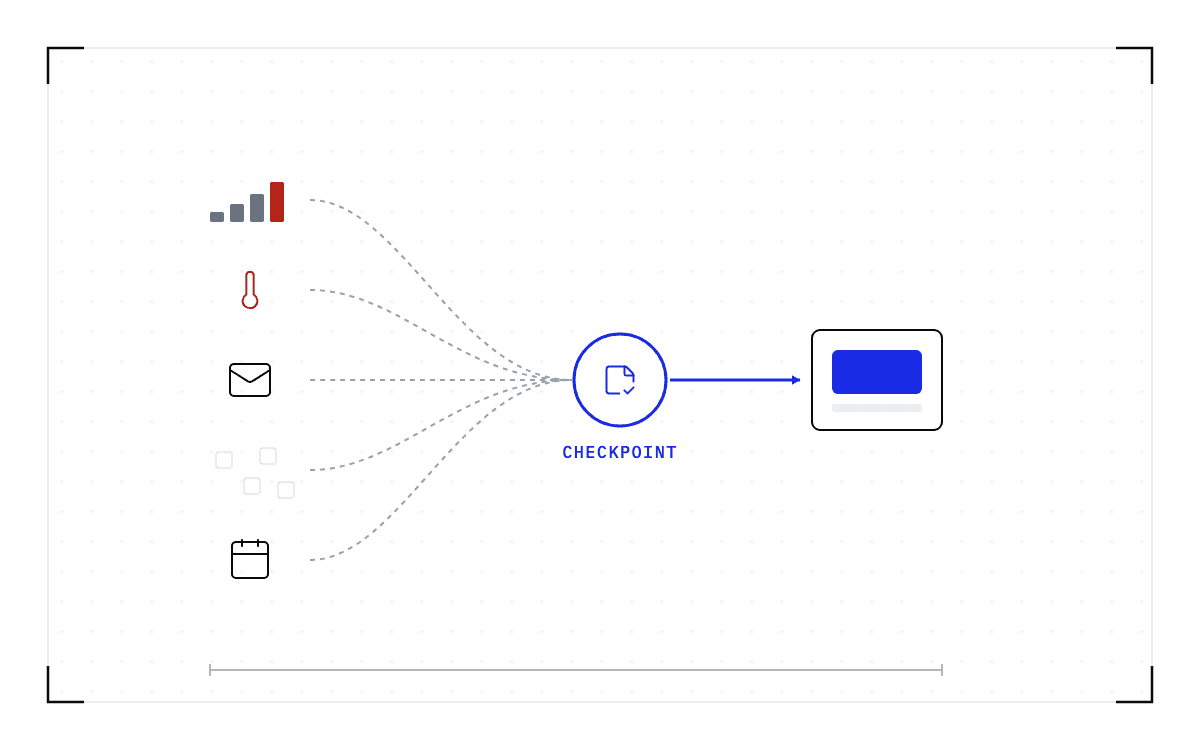

Five fleet signals, five policies: from alert to automatic action
Connect GPU health, thermal, reclaim, fragmentation and maintenance signals to workload-preserving actions. See which triggers ship and which remain designs.
read →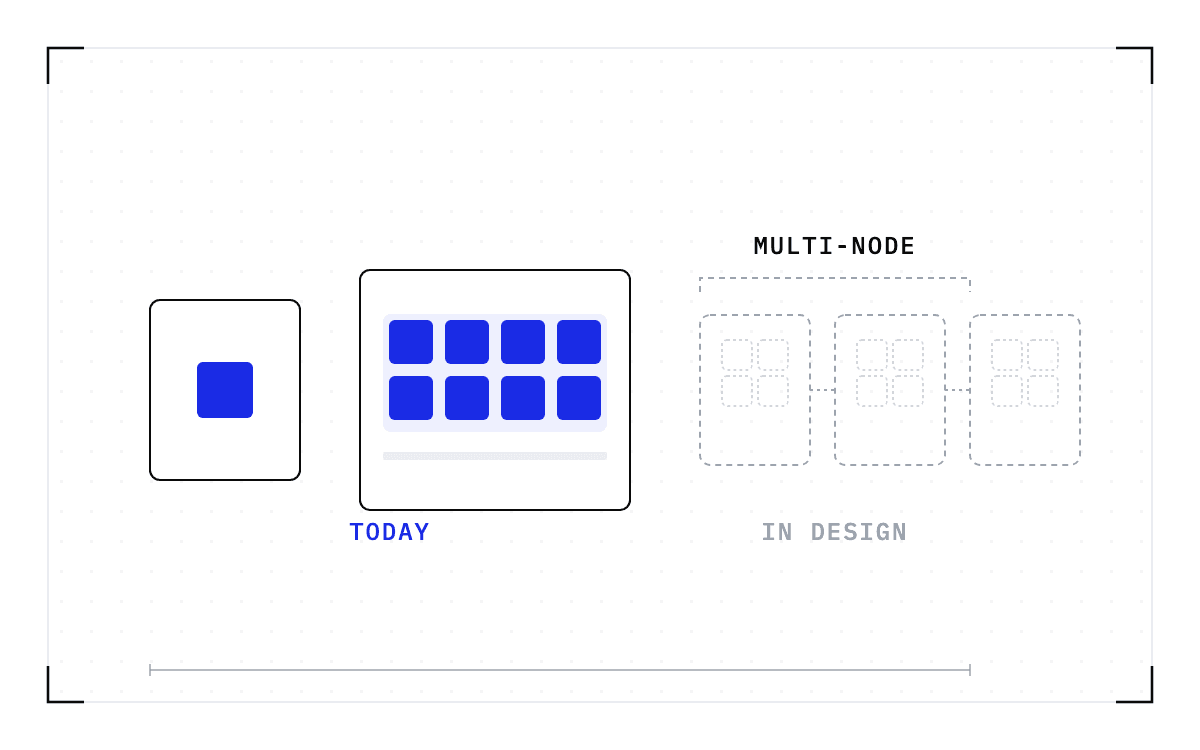

Does multi-node checkpointing ship today?
Distinguish a workload moving between nodes from one spanning nodes. See Cedana's shipped single-node coverage and the multi-node tier still in design partnership.
read →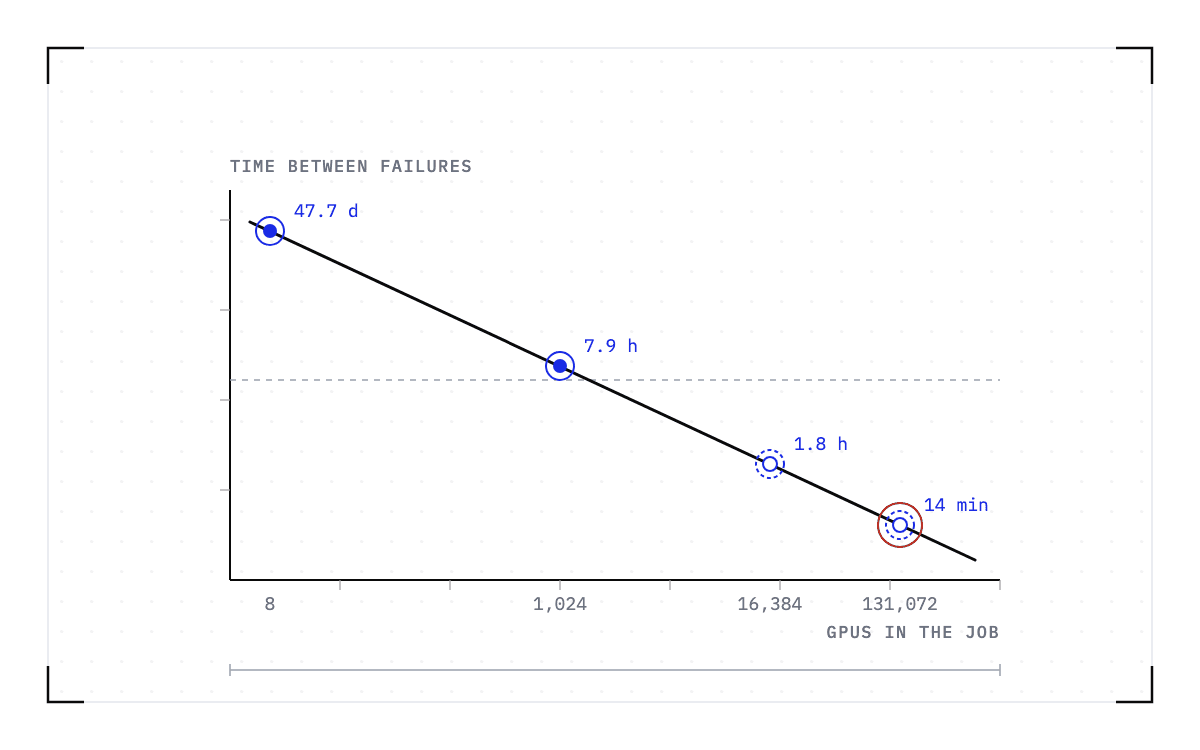

GPU failure frequency scales with the fleet, not the on-call rotation
Use published cluster studies to understand how GPU job interruptions scale, distinguish measurements from projections, and estimate your own fleet's rate.
read →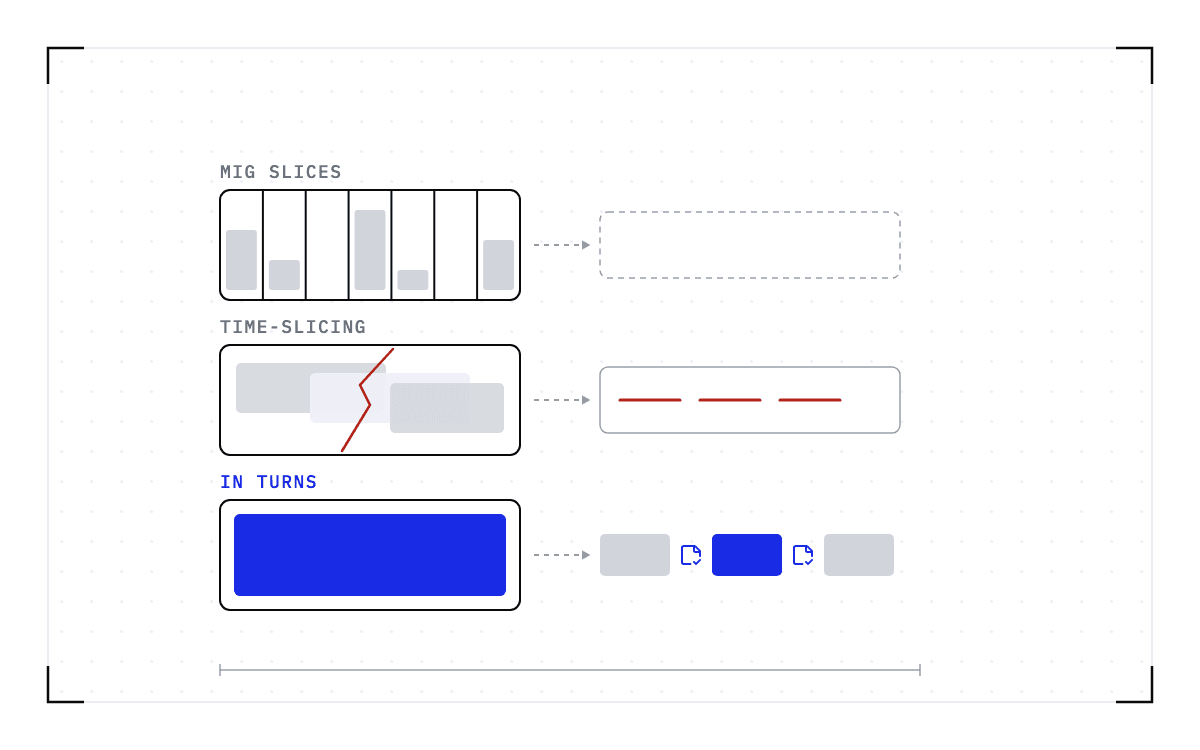

Sharing GPUs without fixed MIG slices
Compare MIG, time-slicing, MPS and serial sharing through checkpoints. Understand isolation, fixed slice sizes and the save-and-restore cost of switching jobs.
read →Showing 37–48 of 99 posts