

Writing from the
cedana team.
insights from the team.
Field reports, engineering deep-dives, and benchmarks from the Cedana team.
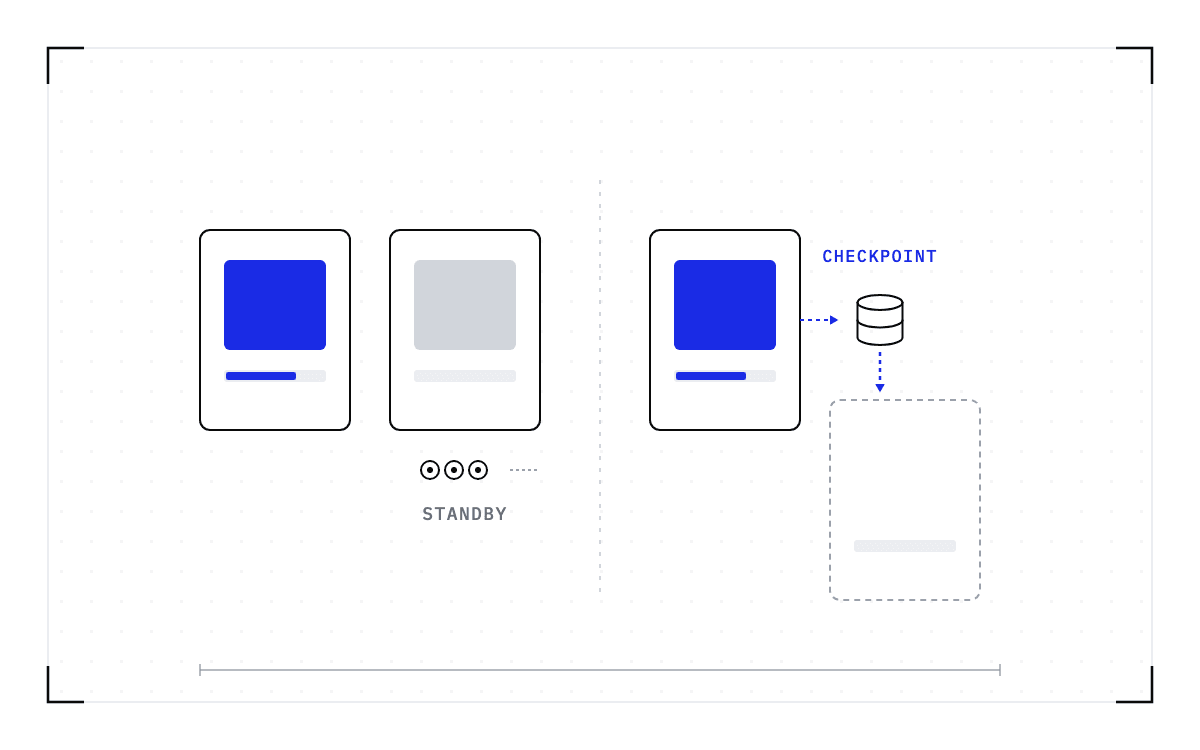

Hot standby versus checkpoint recovery on the same hardware
Compare a spare GPU node with checkpoint recovery by cost, outage tolerance and saved session state. Choose per service tier and include time to find capacity.
read →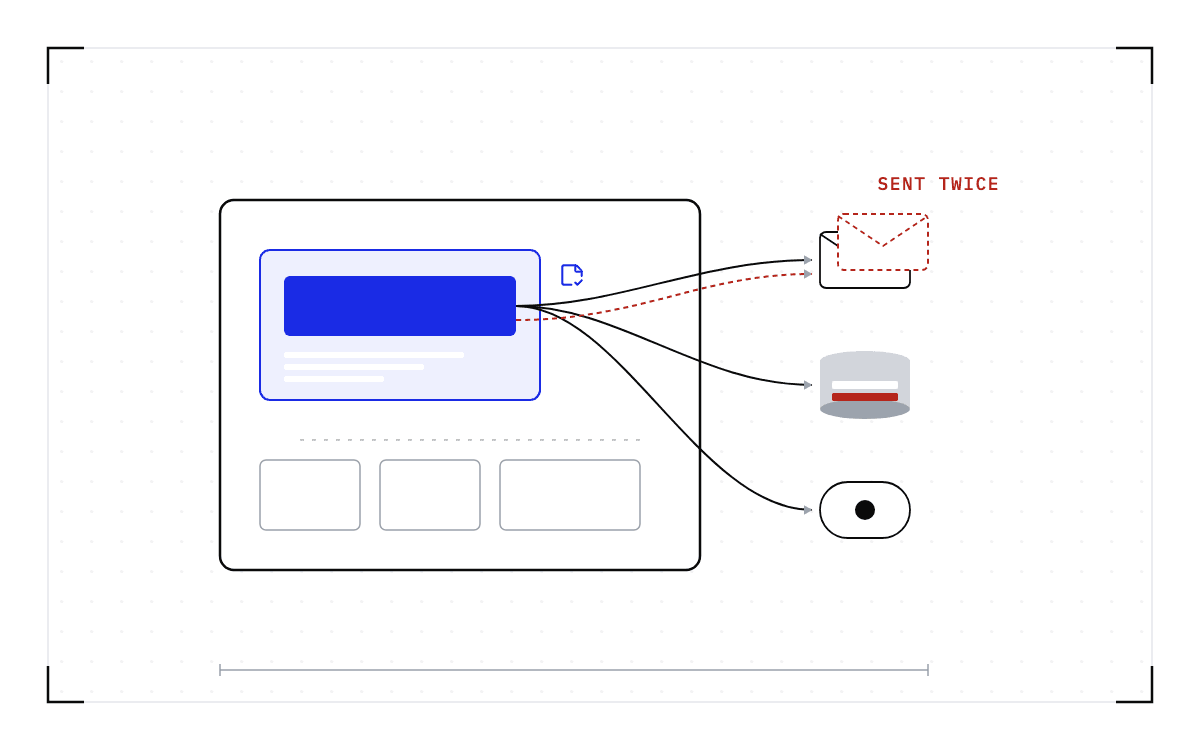

What cannot be checkpointed in a GPU workload?
Understand GPU checkpoint boundaries, unsupported resources, version constraints and external side effects your application must handle after a restore.
read →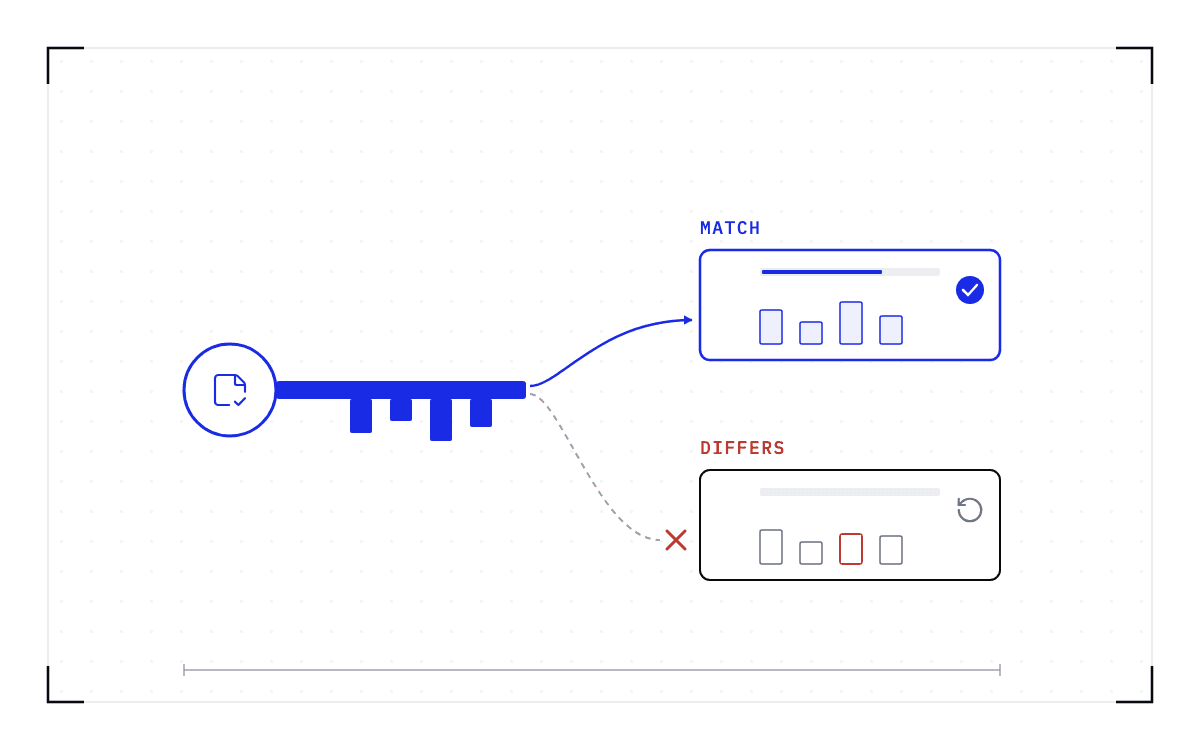

Driver, CUDA, and engine upgrades with workloads running, and the one limit
Plan rolling GPU driver, CUDA and engine upgrades around compatible capacity. Learn why existing checkpoints cannot carry a workload across a version change.
read →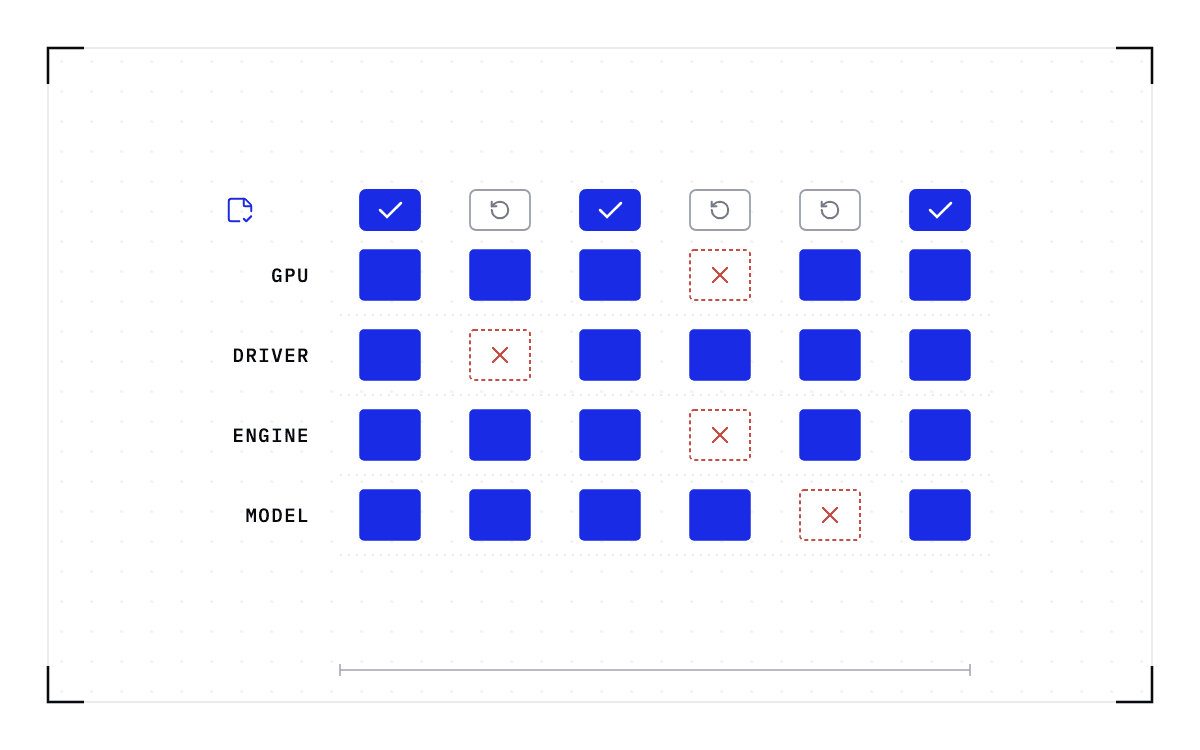

Version mismatch and the compatibility matrix
Check the GPU, driver, engine and model versions a checkpoint records. Learn why a supported driver range does not mean checkpoints restore across versions.
read →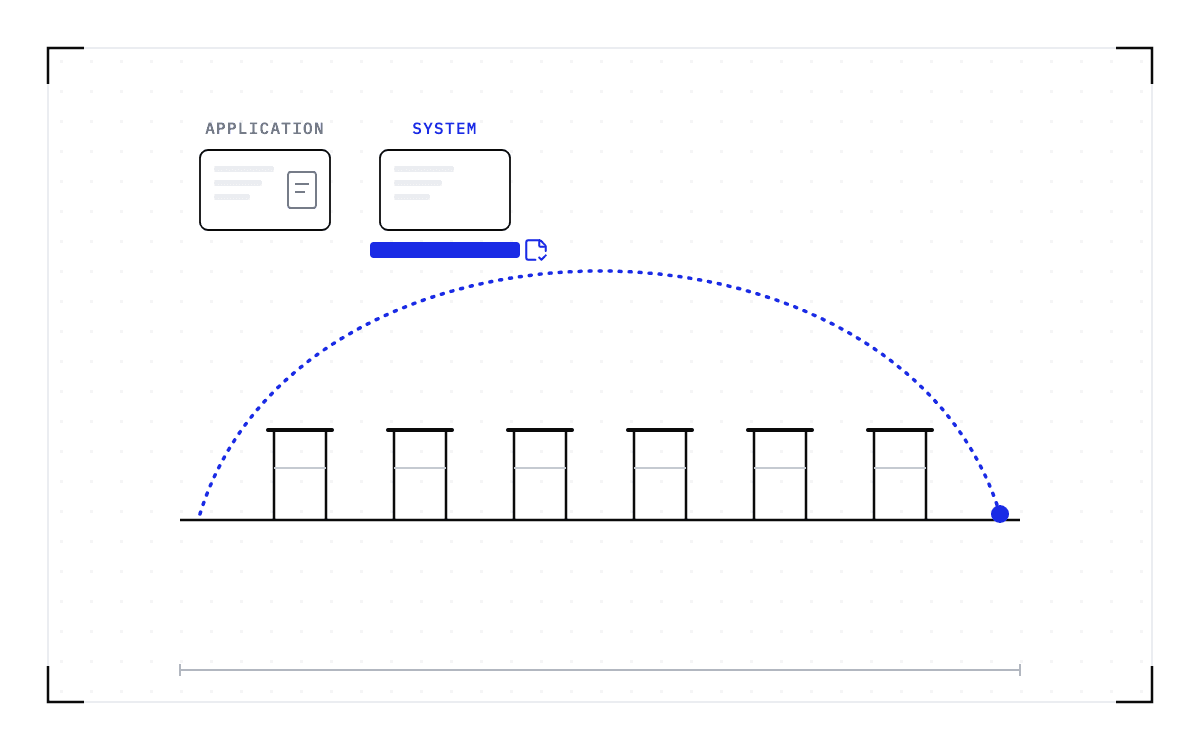

System-level vs application-level GPU checkpointing: the category and the bar
Compare application and system-level GPU checkpoints by saved state, code changes, overhead and six criteria for evaluating a checkpointing claim.
read →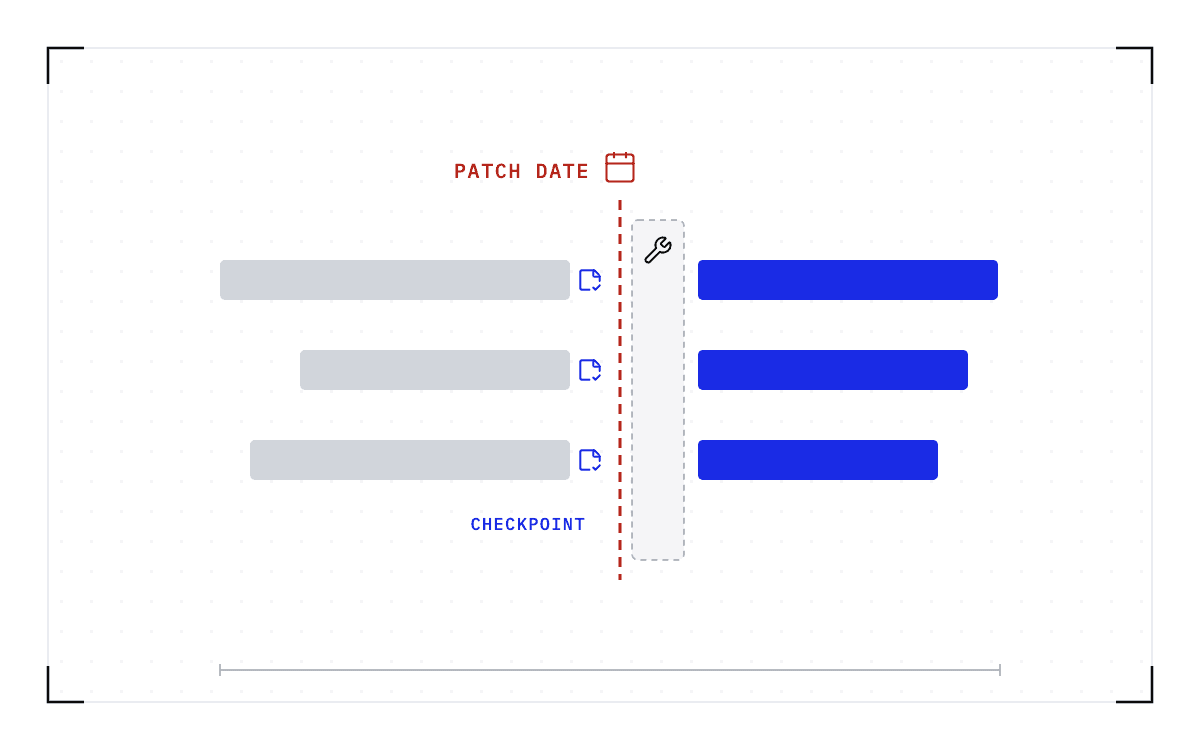

Patch the GPU cluster on the security calendar, not the job calendar
Plan GPU security patches around the bulletin deadline. Move compatible workloads before maintenance and account for the last nodes crossing a driver upgrade.
read →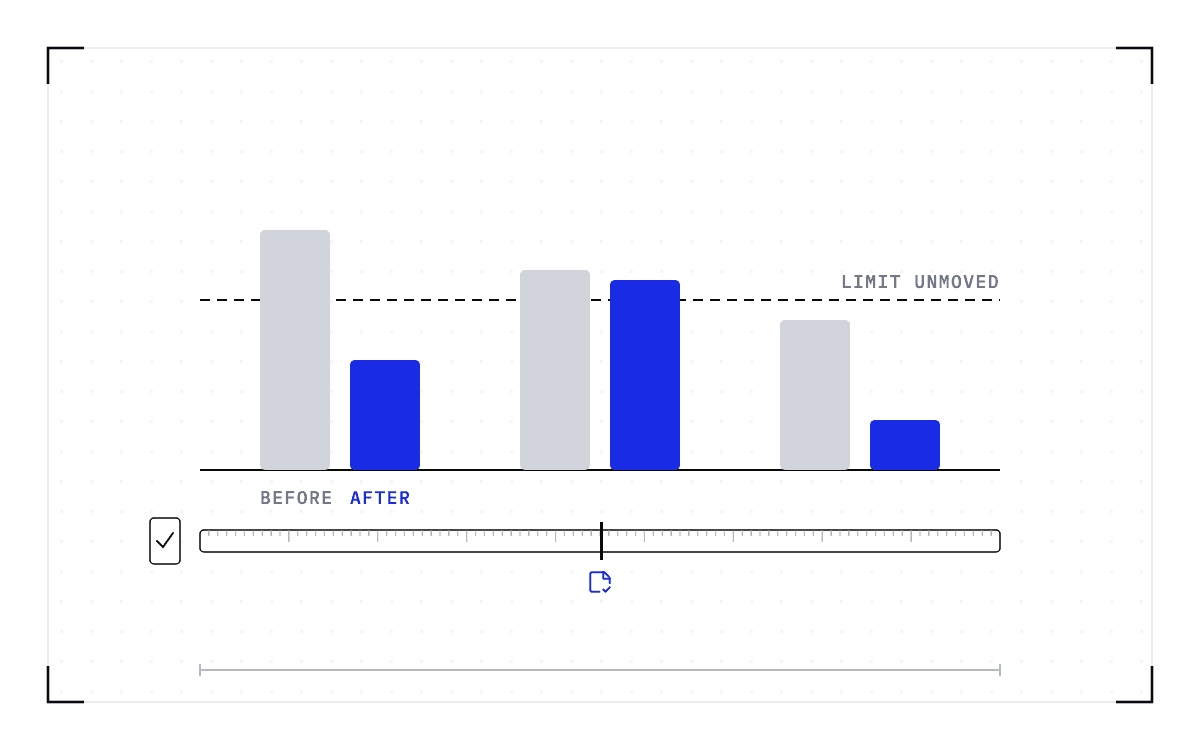

A 90-day wall-time PoC: what to measure before you change policy
Design a Slurm checkpointing proof of concept using accounting history, application review and agreed thresholds for completion time, queue impact and exceptions.
read →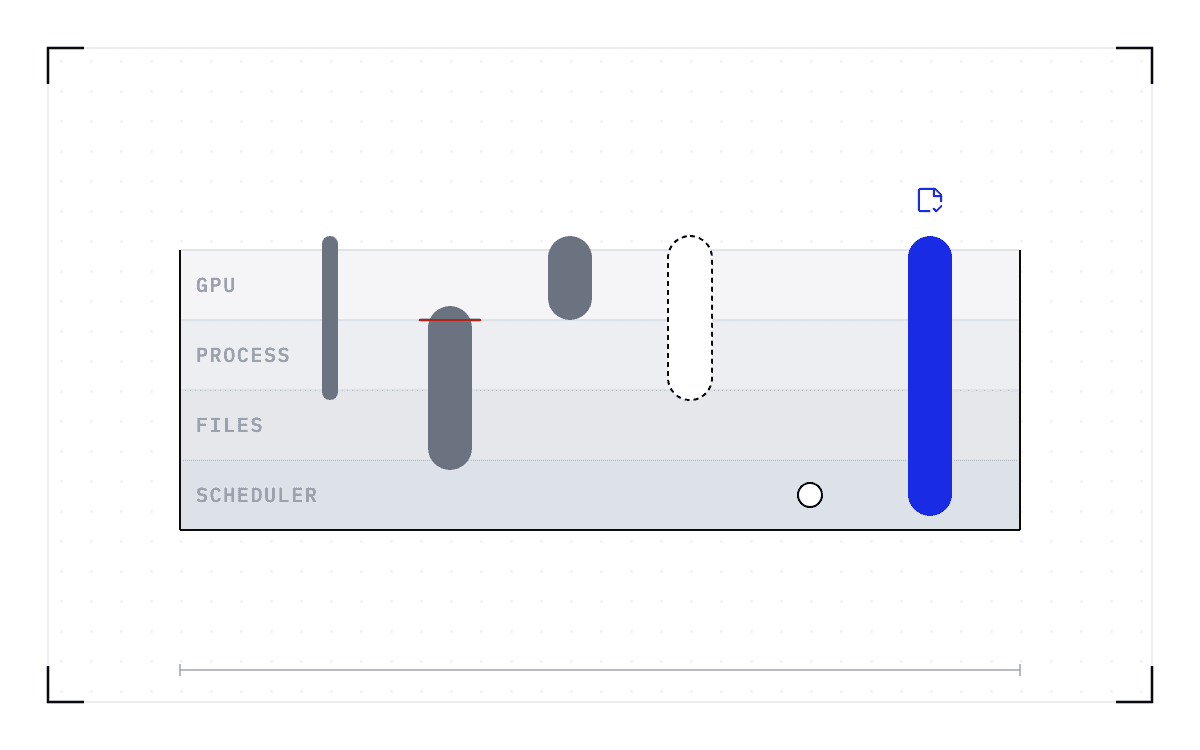

Which checkpointing approach brings back the state your job is holding?
Compare GPU checkpointing approaches by the state they save, their limits and the integration work needed to decide whether to build or buy.
read →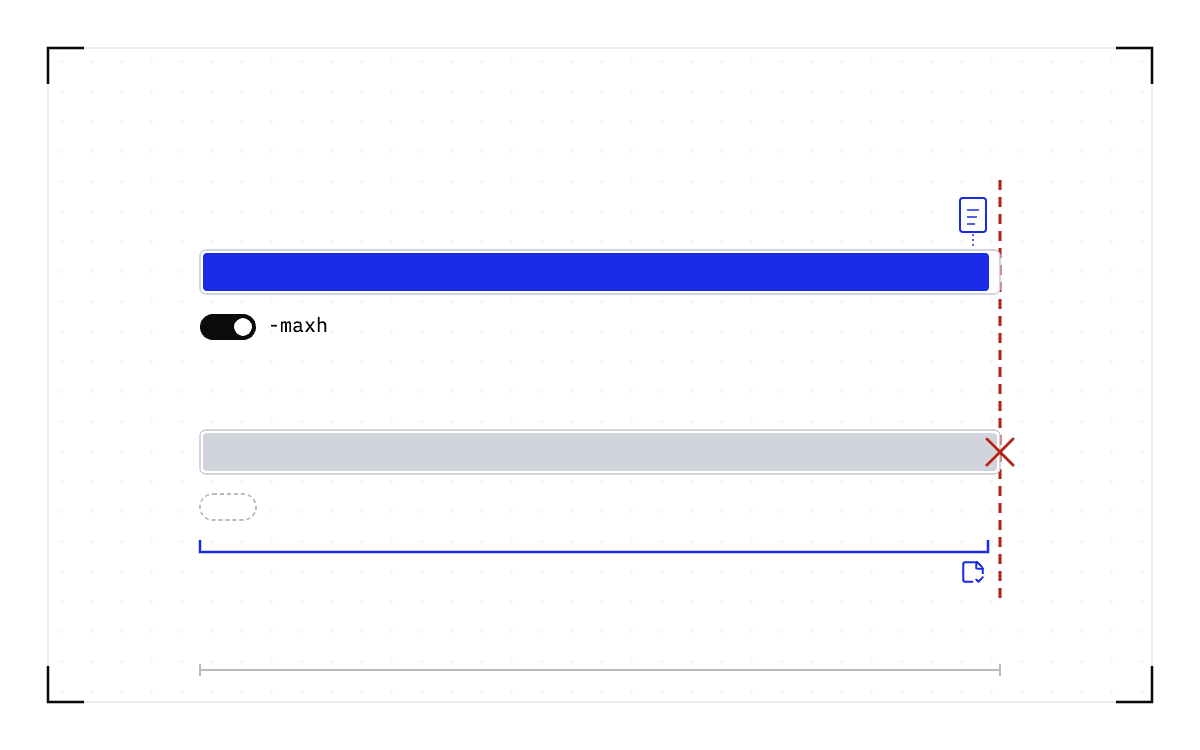

GROMACS shows both the value and the limit of application checkpointing
Use GROMACS maxh, cpt and cpi to understand checkpointing across allocation limits, and see what other applications must build to offer the same recovery path.
read →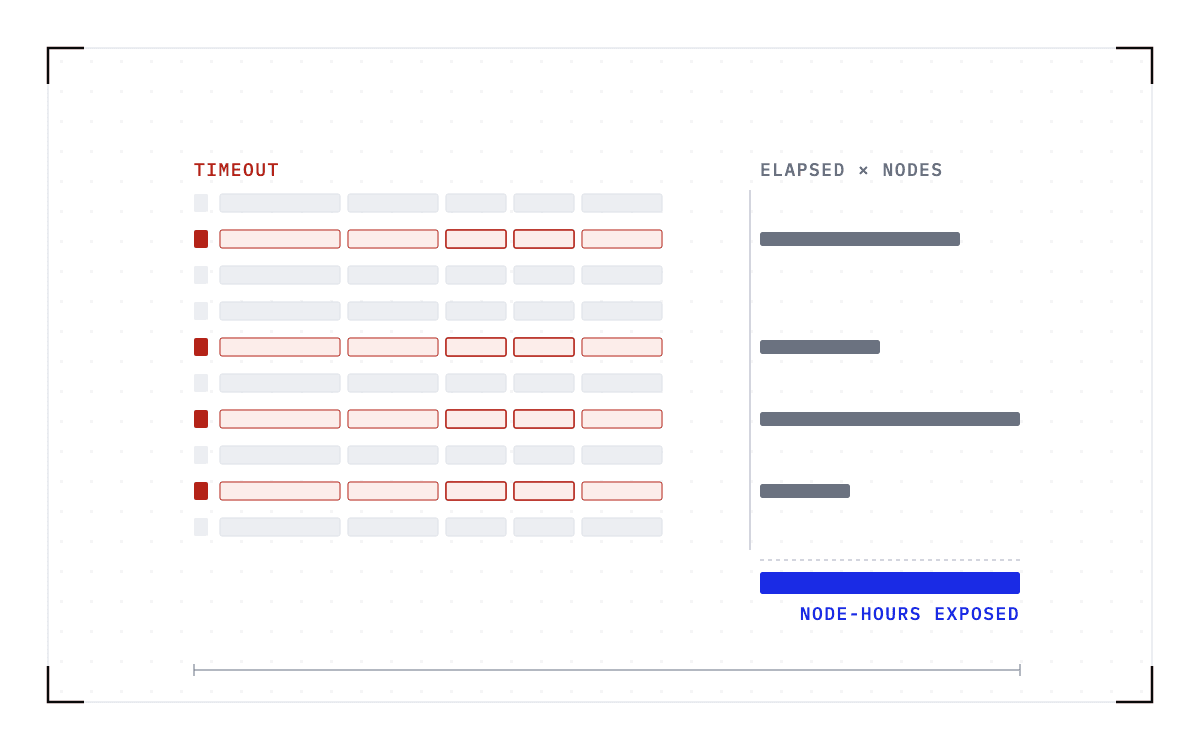

Measuring the cost of wall-time termination from your sacct data
Use sacct to count Slurm TIMEOUT records, calculate exposed node-hours and identify repeat jobs. Separate accounting evidence from proof that work was lost.
read →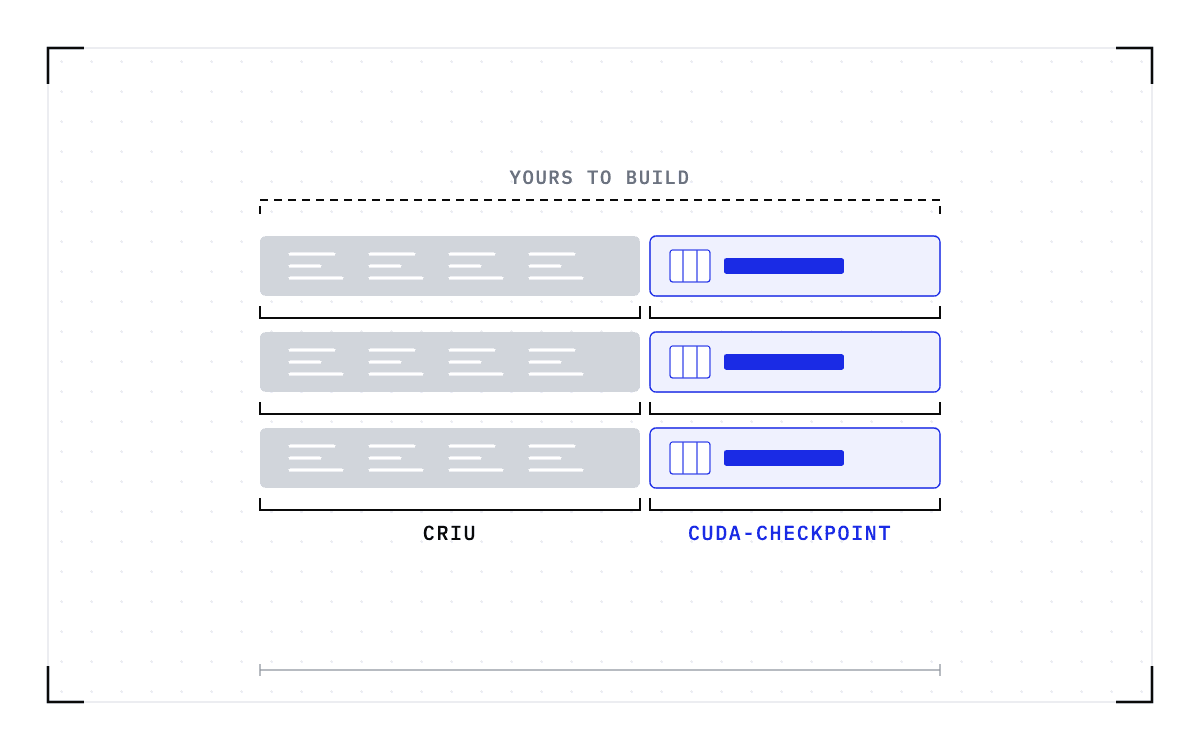

What CRIU and cuda-checkpoint do when you wire them together yourself
See how CRIU and cuda-checkpoint save GPU workloads, where their support stops, and what your team must build around the open-source tools.
read →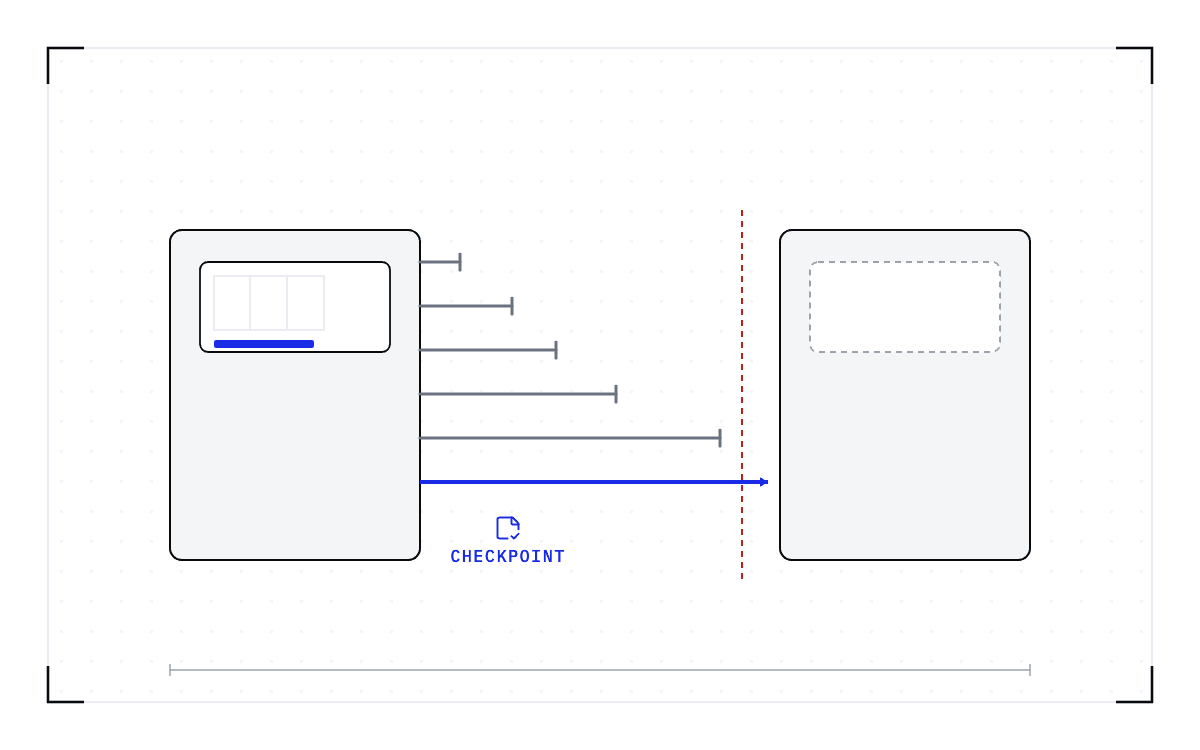

Does Kubernetes, Docker, Slurm or Nextflow already restore a running job?
Compare what Kubernetes, Docker, Podman, Slurm and Nextflow preserve, what they restart, and where restoring a running GPU job needs additional tooling.
read →Showing 49–60 of 99 posts