

Writing from the
cedana team.
insights from the team.
Field reports, engineering deep-dives, and benchmarks from the Cedana team.
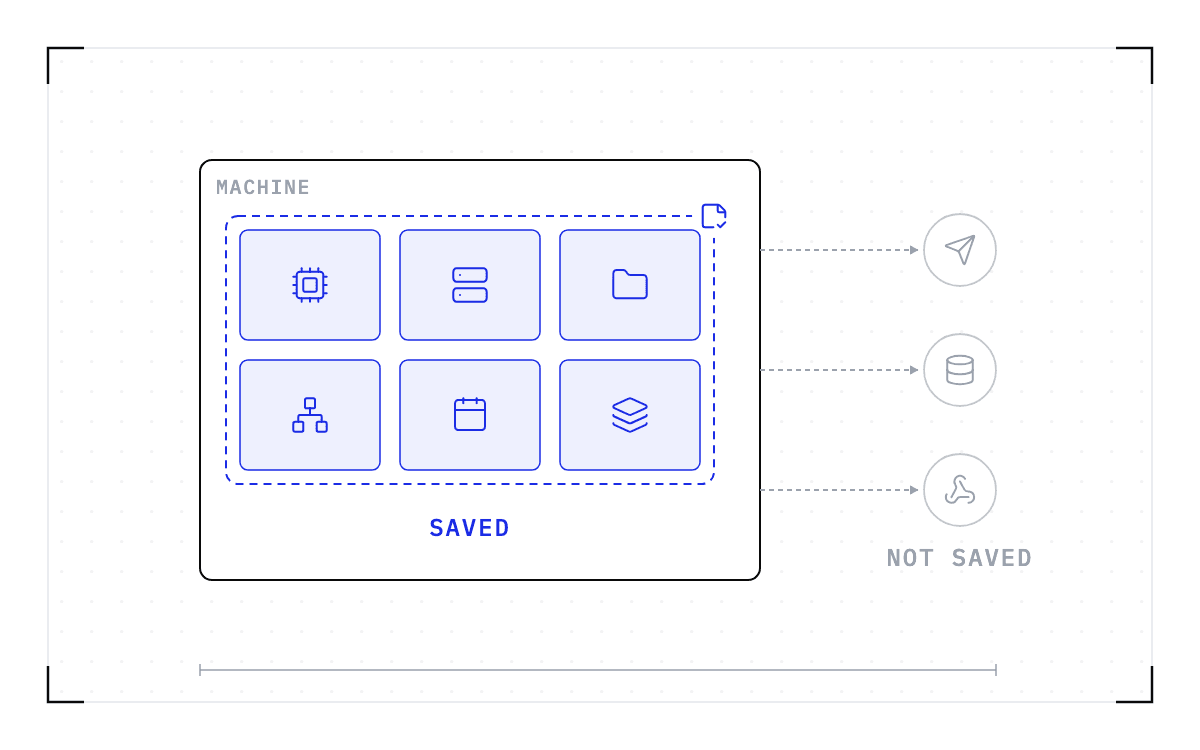
What Cedana saves, and what it does not
See which GPU, process, file, network and scheduler state Cedana saves, what remains outside the checkpoint, and what a compatible restore requires.
read →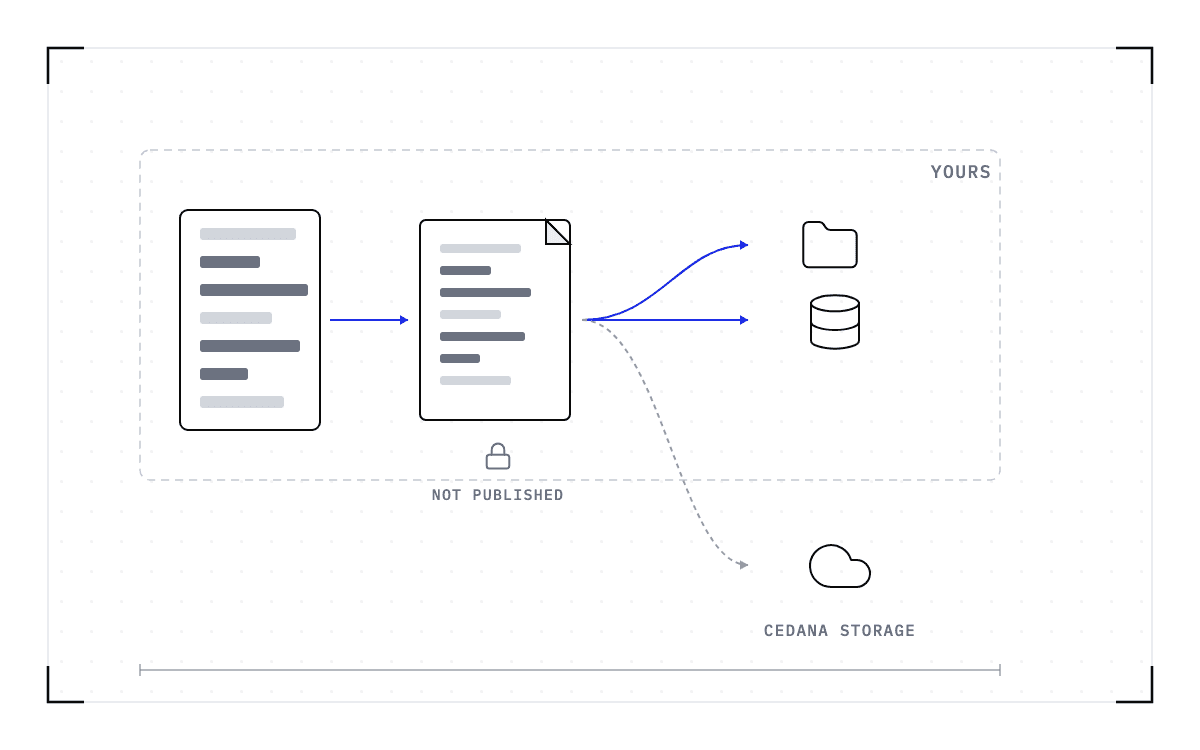
Where checkpoints live, how long they stay, and who can read them
Choose where GPU checkpoints live, how long they remain and who can read them. Identify the encryption and key-management answers a security review still needs.
read →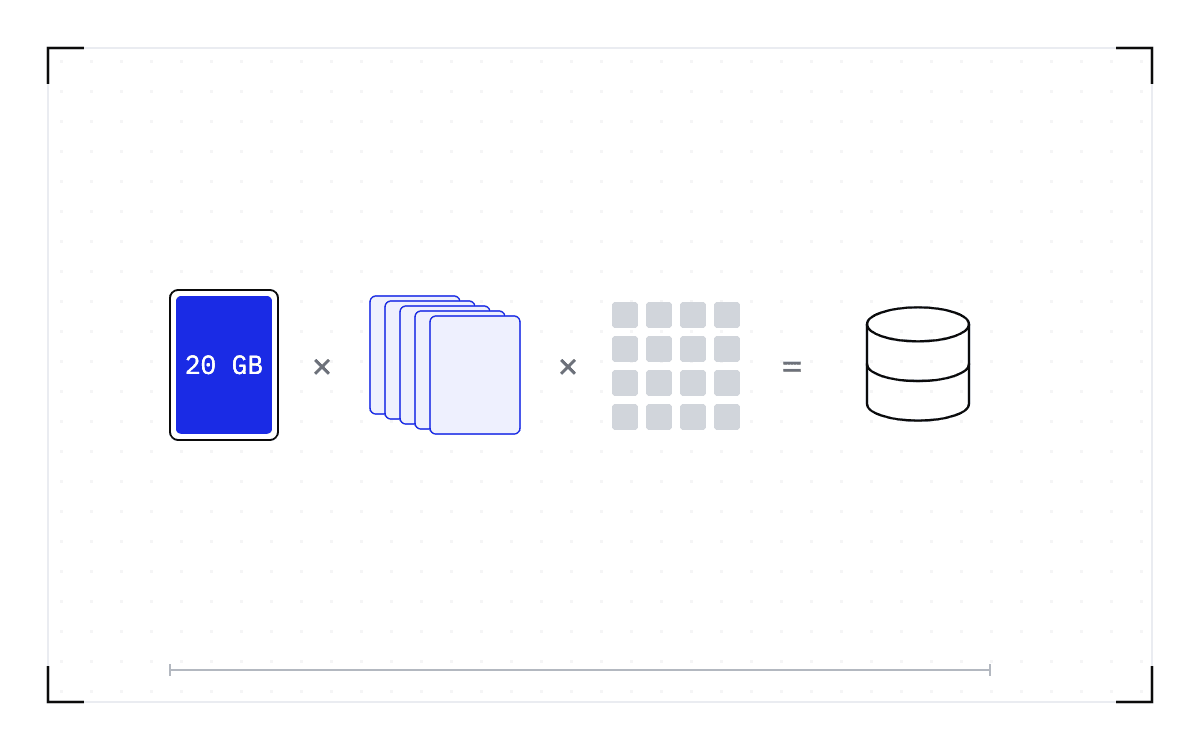
How much storage does checkpointing a GPU cluster need?
Estimate checkpoint storage from workload memory, retained copies and job count. Review quota controls, storage bandwidth and unanswered lifecycle behaviors.
read →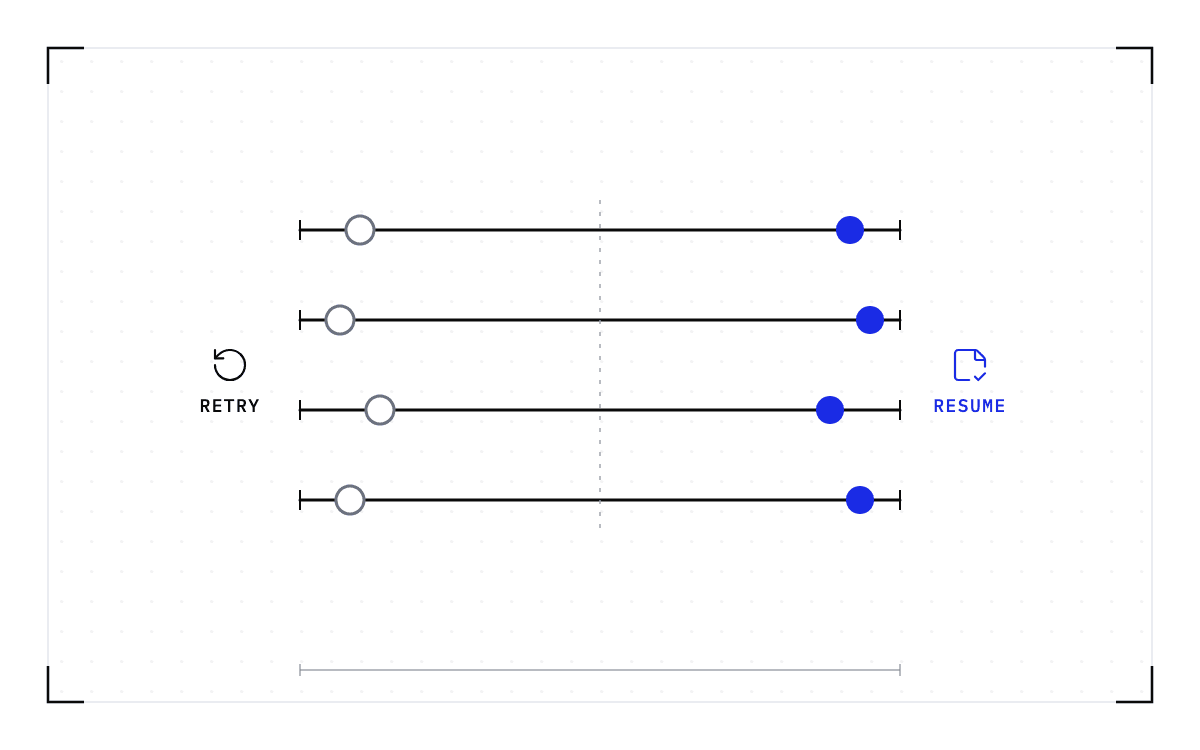
When retrying the job is the right call
Decide whether a GPU job needs checkpoints using interruption risk, work at stake, rebuild cost and deadline slack. Keep application idempotency in either path.
read →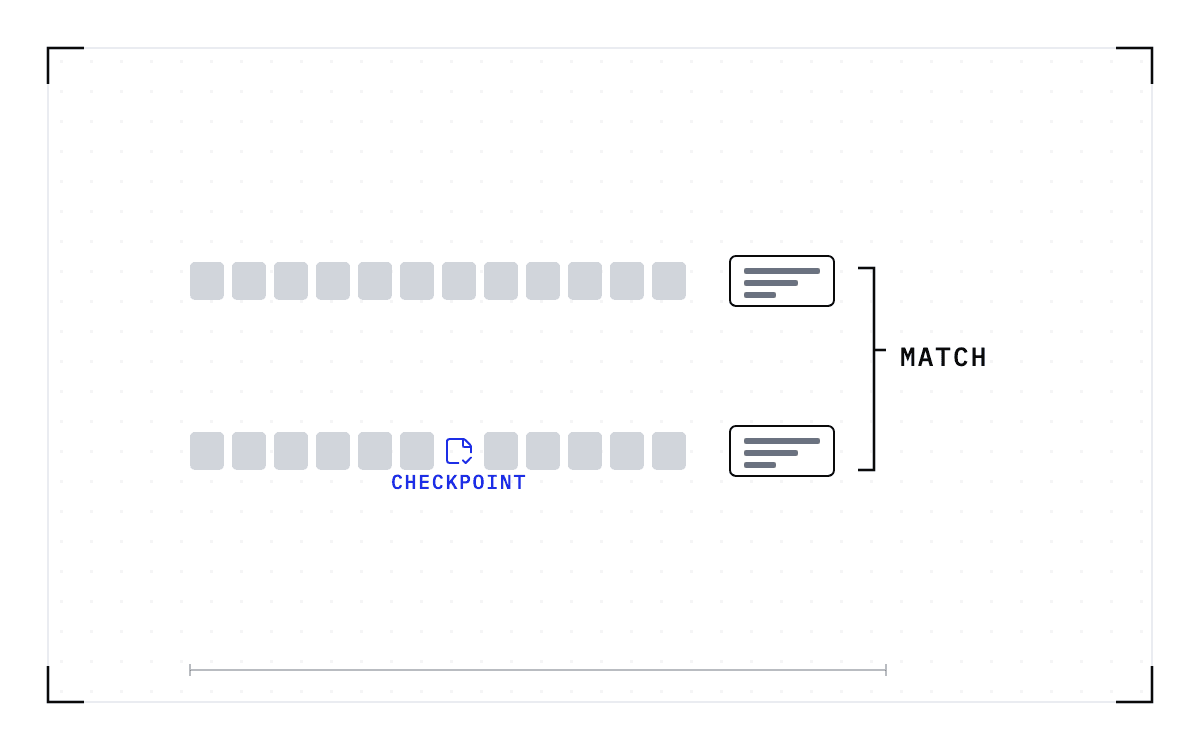
How to know a restored GPU workload is correct
Test whether a restored GPU workload continues the same computation. Compare repeatable runs, check multi-GPU boundaries and record the exact environment.
read →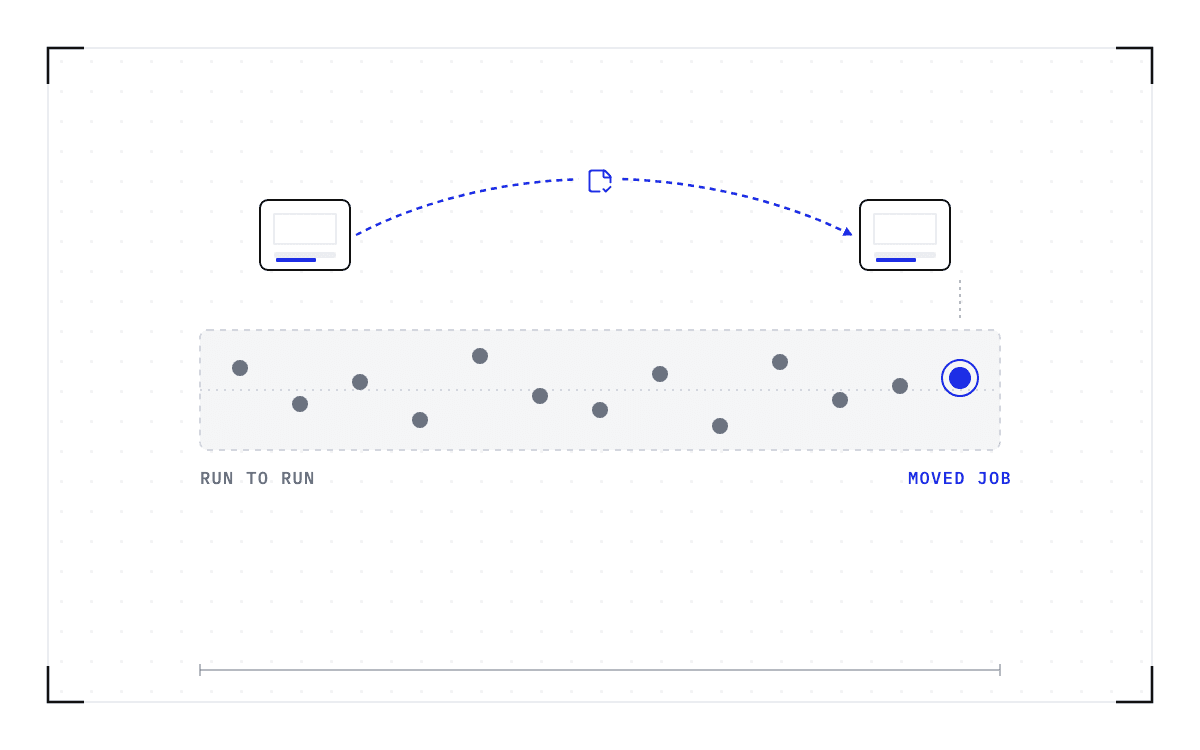
Does moving a job change its results?
Understand what a checkpoint preserves when a GPU job moves, which versions must match, and how live inputs and ordinary GPU variation affect reproducibility.
read →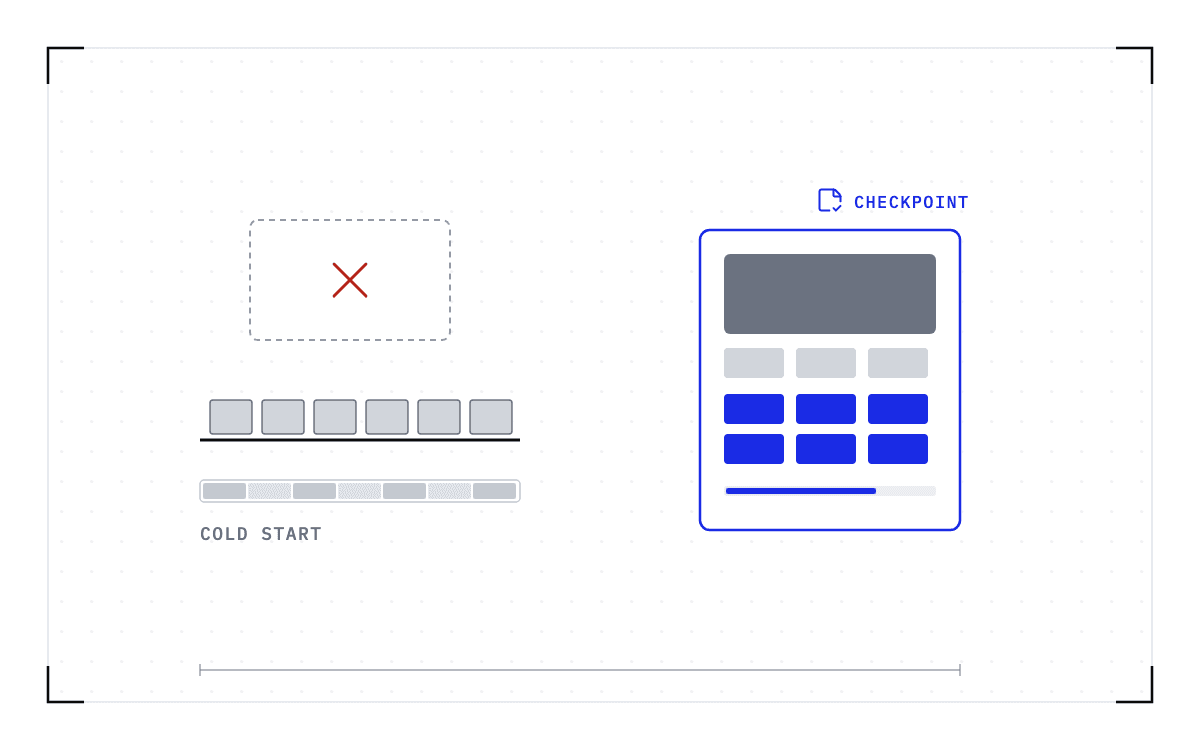
KV-cache offload versus a saved worker: what each survives
Compare the state preserved by KV-cache offload and a full worker checkpoint. Learn what survives a crash, what must reload, and where prefix reuse still helps.
read →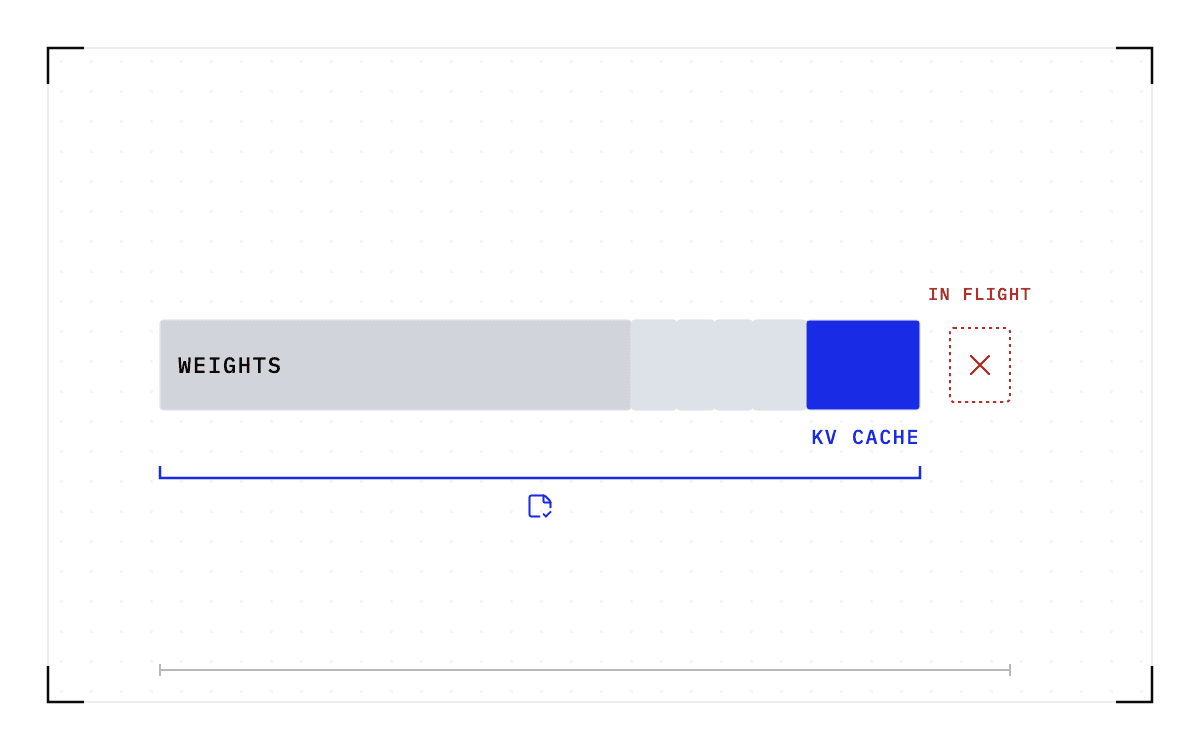
What is inside a GPU checkpoint?
See the weights, KV cache, CUDA context and process state inside a GPU checkpoint, how they affect its size, and what a restart has to rebuild.
read →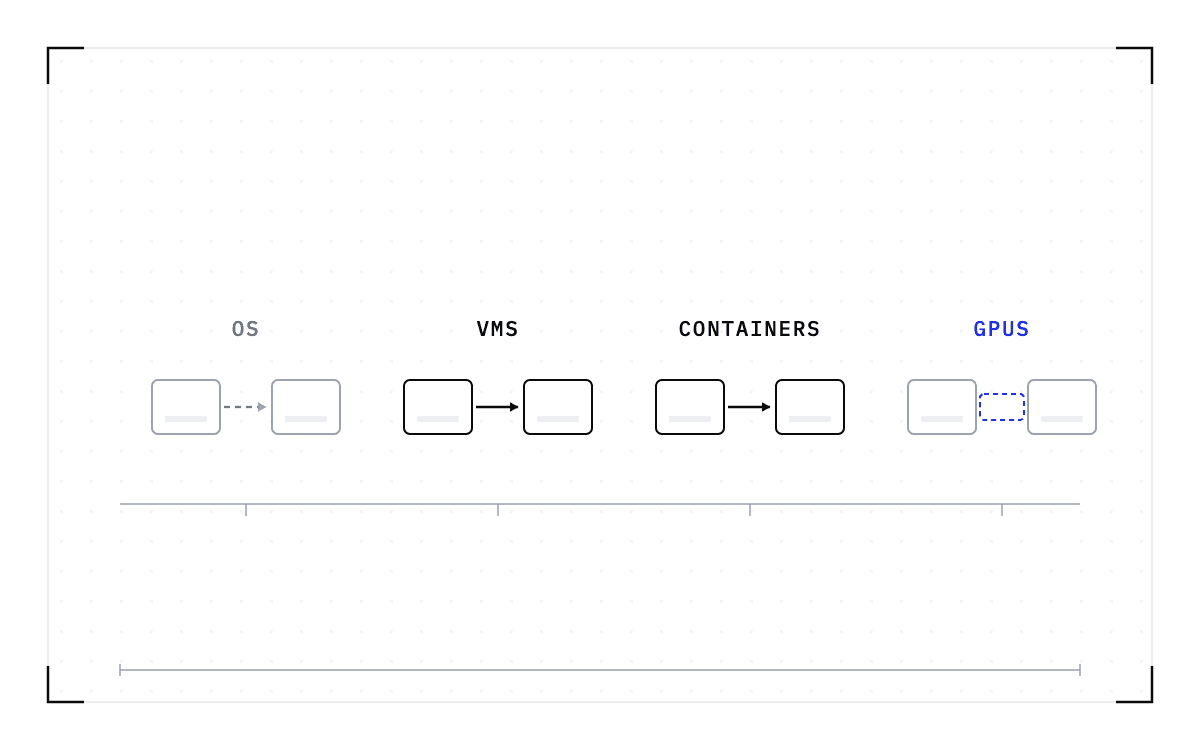
Every era of computing needed a migration primitive. GPUs are next
Trace migration through operating systems, virtual machines, containers and databases to understand why GPU fleets need portable running state.
read →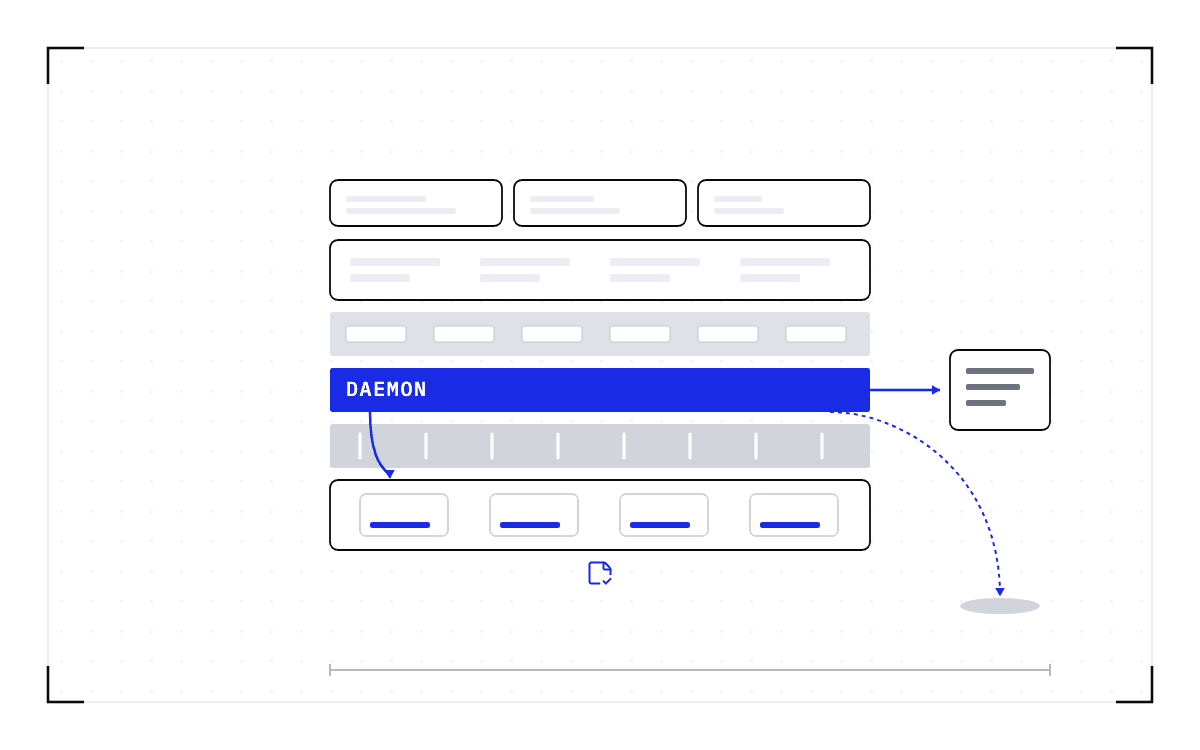
How Cedana works: checkpoint, restore, and migration below the serving engine
Explore Cedana's daemon, CRIU and GPU capture layers, the state they restore, and the policies, storage paths and compatibility limits around them.
read →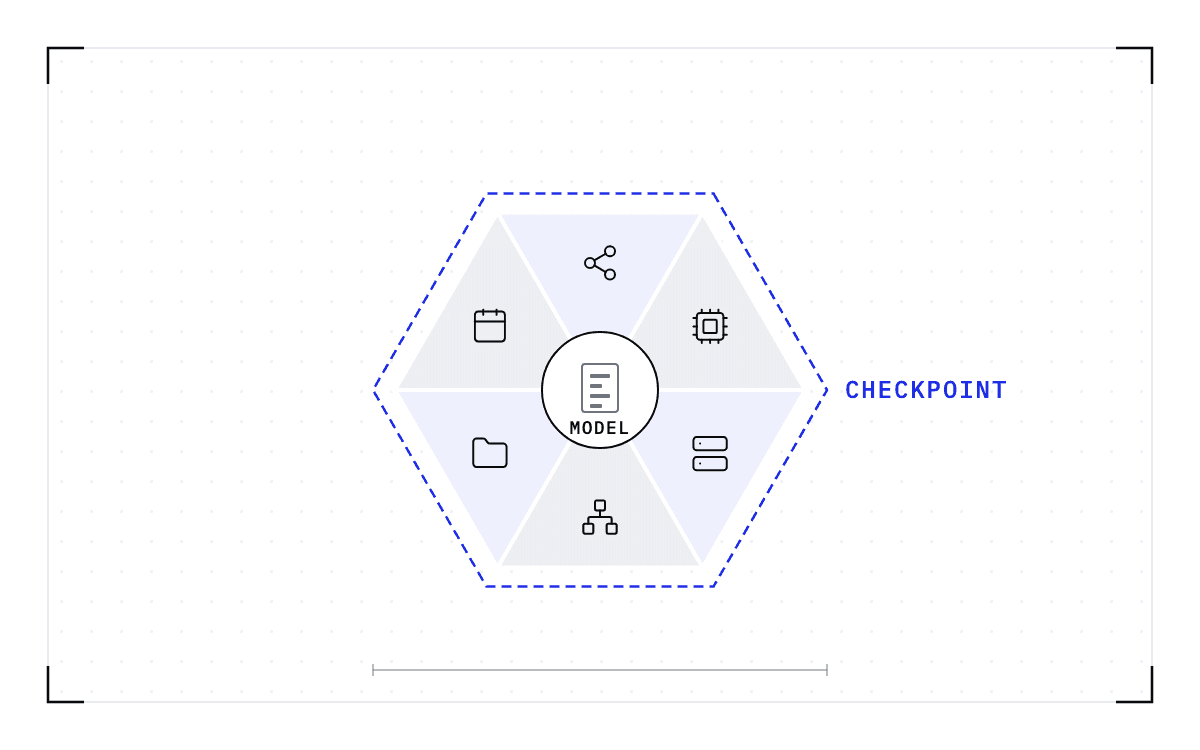
What is GPU checkpointing? A plain explanation
Learn what GPU checkpointing saves, how checkpoint, snapshot, restore and migration differ, and why saving model weights alone cannot resume a workload.
read →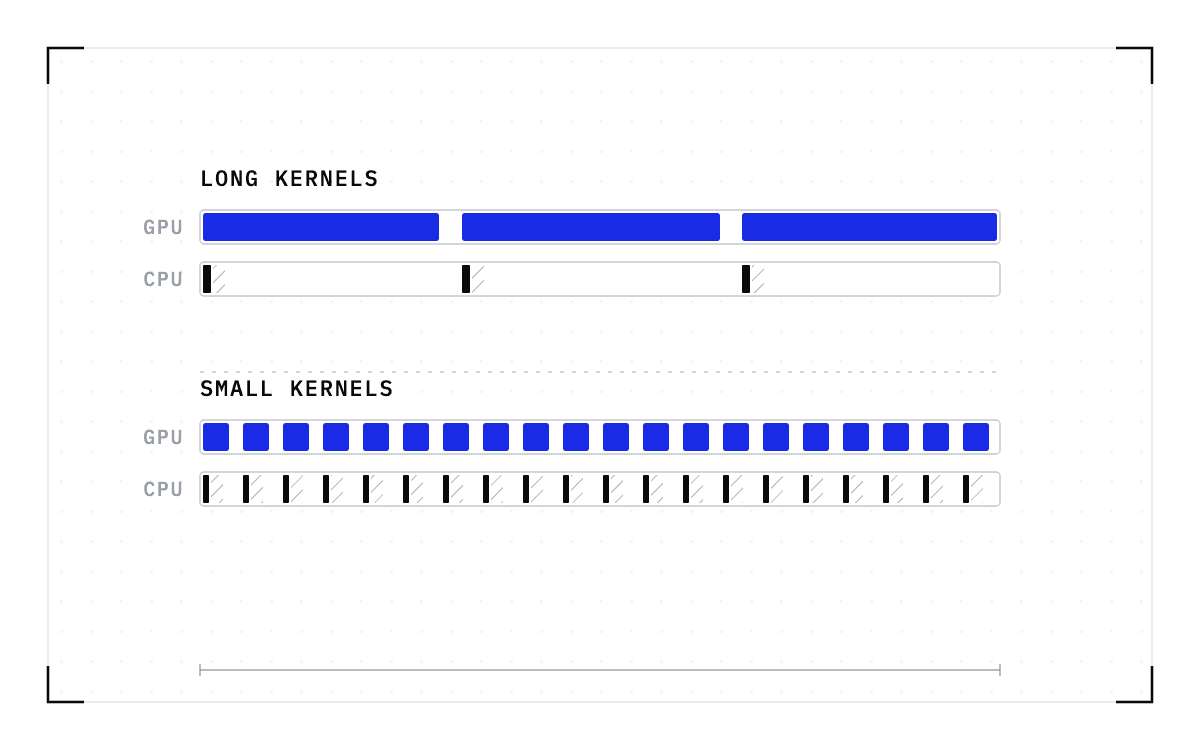
What a GPU checkpointing layer costs while the workload runs
Understand steady-state GPU checkpointing overhead, why driver-call patterns matter, and what Cedana's published single-GPU measurements leave unanswered.
read →Showing 12 of 23 posts