

Writing from the
cedana team.
insights from the team.
Field reports, engineering deep-dives, and benchmarks from the Cedana team.
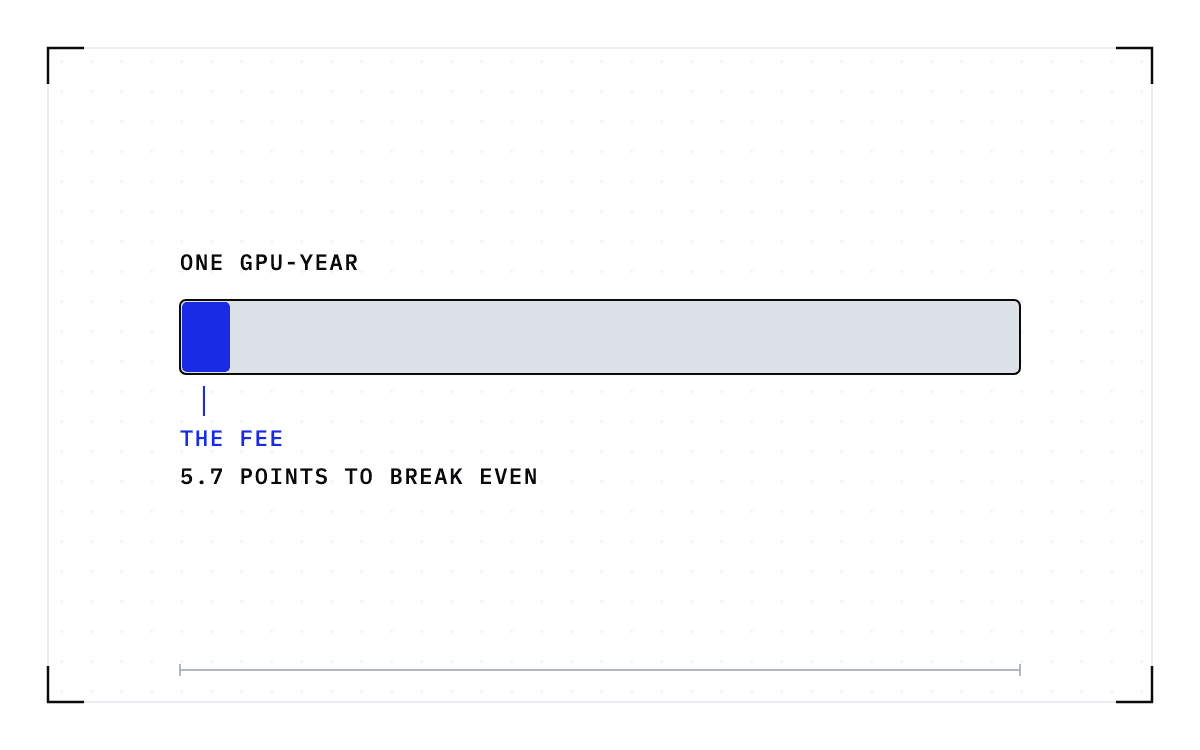

How much utilization improvement do you need to break even on GPU checkpointing?
Calculate the utilization gain needed to cover a GPU checkpointing fee using your operating cost, paid hours, restore cost and recoverable work.
read →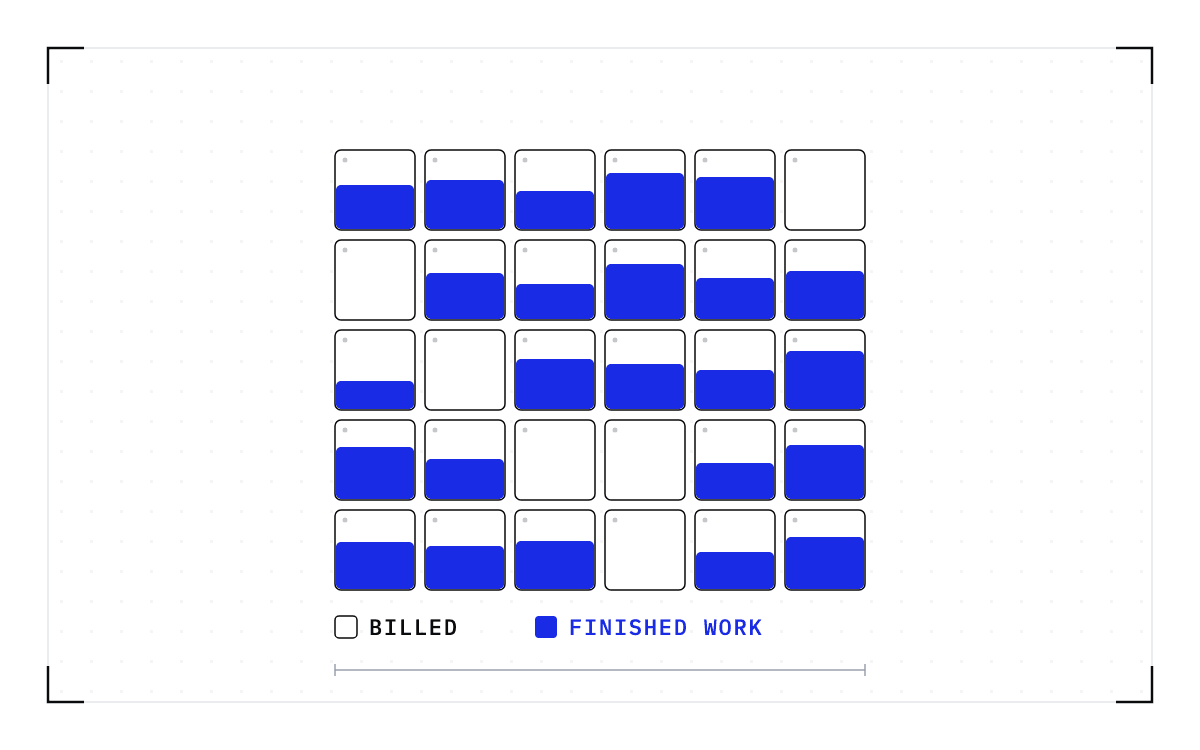

Which utilization number goes into your own-versus-rent calculation?
Compare owning GPUs, renting nodes and paying per token using delivered GPU-hours, operating costs and utilization instead of demand forecasts alone.
read →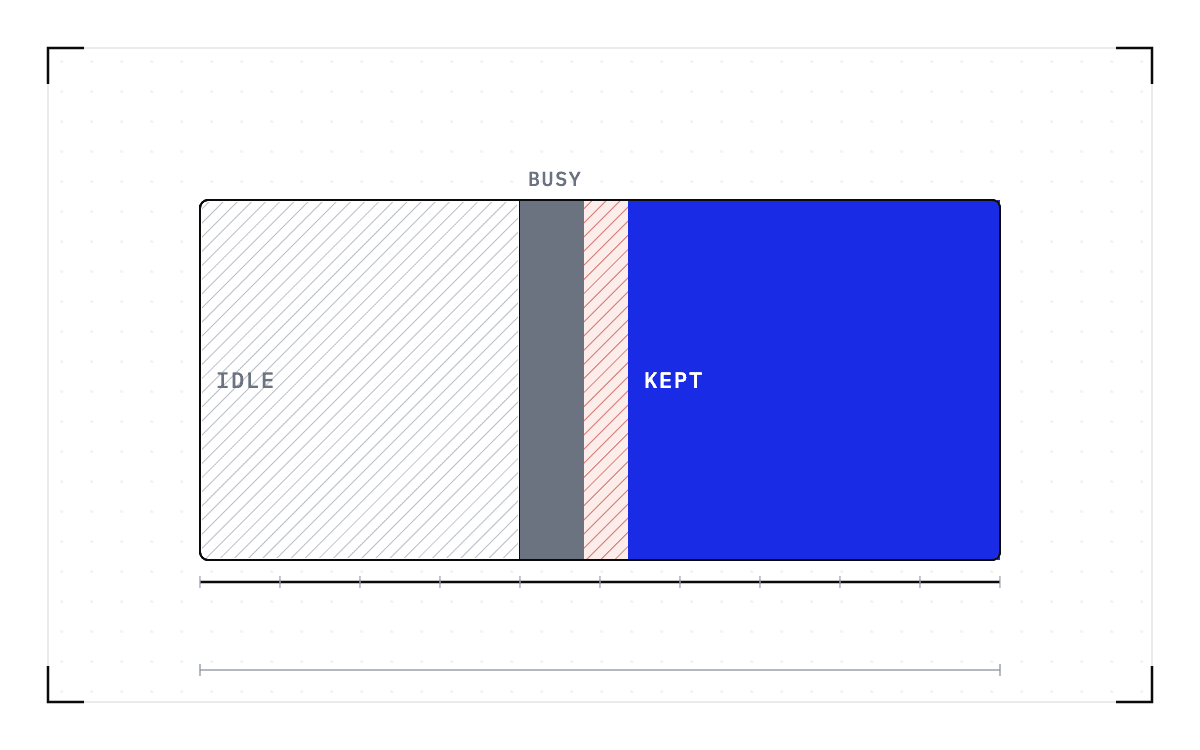

How to put a dollar figure on the GPU-hours that produced nothing
Calculate the cost of idle GPUs, cold starts and recompute using your own hourly rate. Separate paid busy time from work your fleet actually keeps.
read →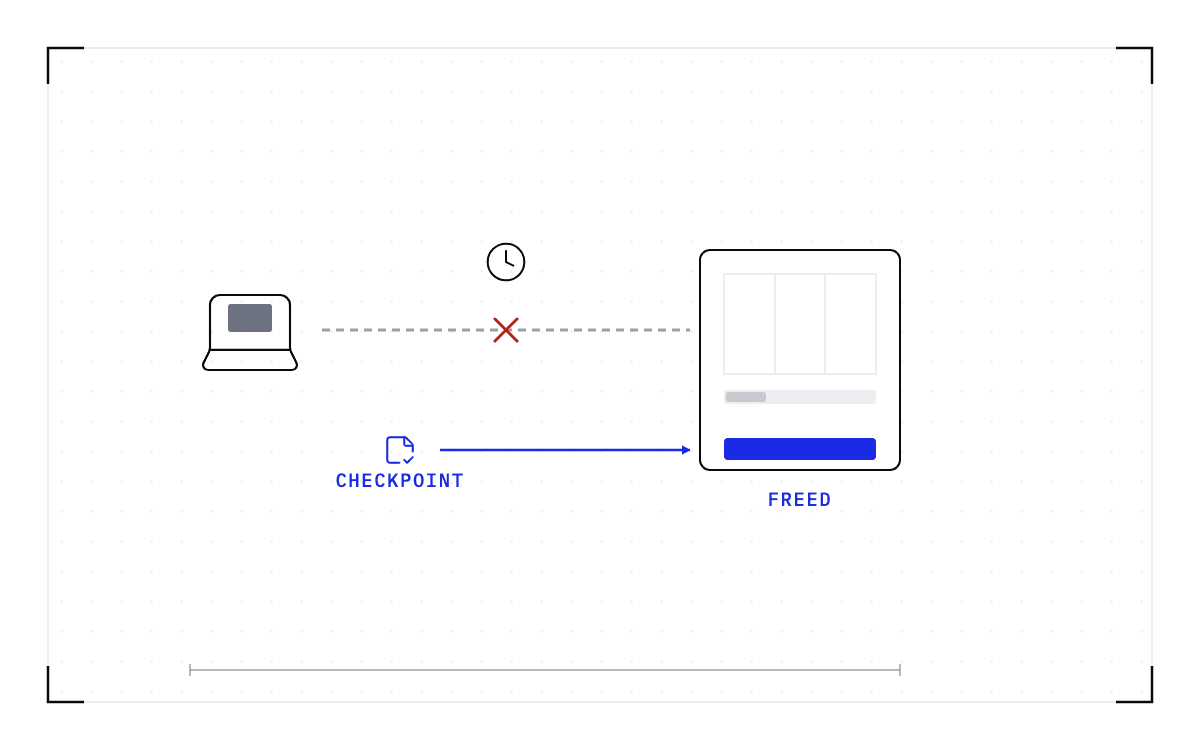

Why an idle notebook keeps its GPU until you kill it
See why idle notebooks and Ray actors keep their GPUs, how shutdown tools release them, and what a checkpoint must preserve before a session ends.
read →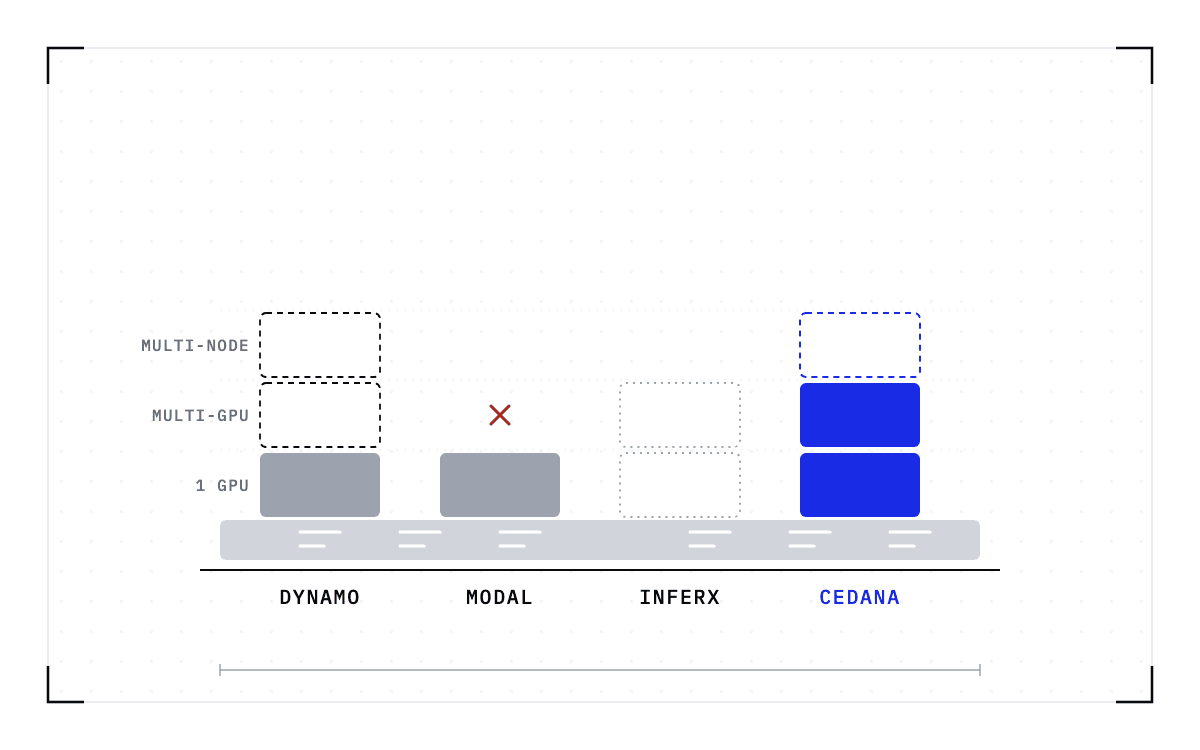

What NVIDIA Dynamo Snapshot and Modal GPU memory snapshots restore today
Compare Dynamo Snapshot, Modal, InferX and Cedana by captured state, restore compatibility, supported workloads and the limits behind their benchmarks.
read →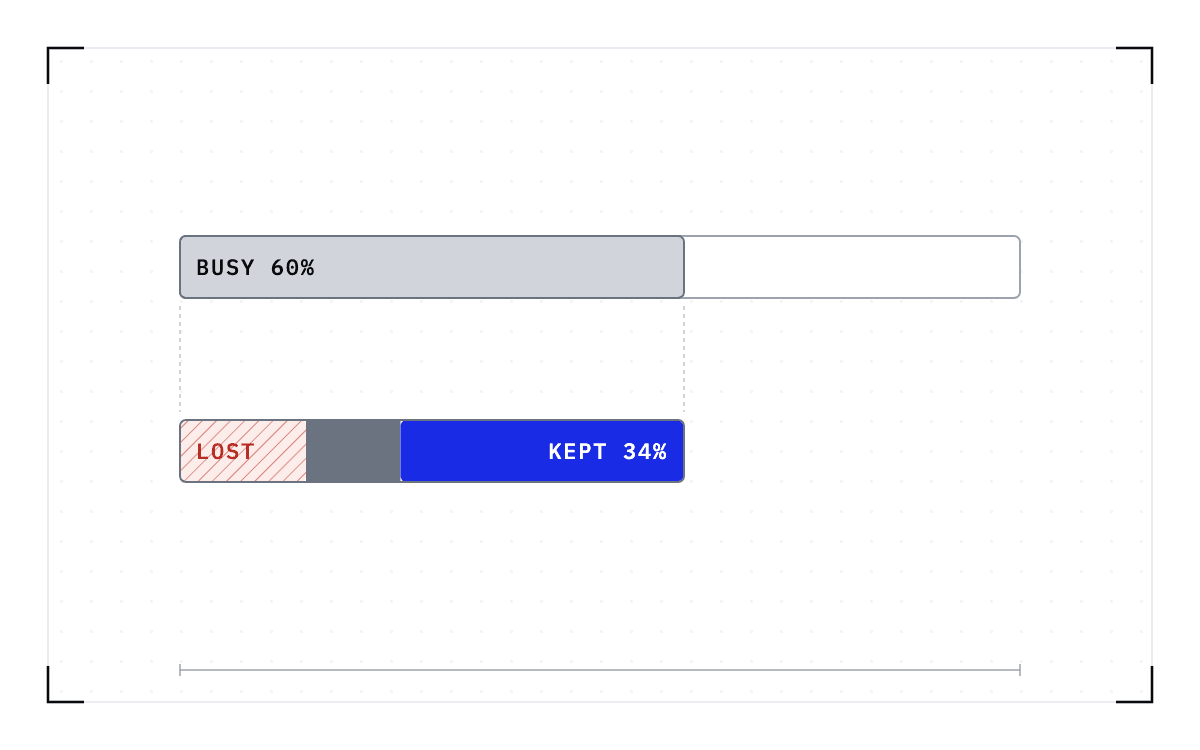

How much of your GPU utilization was work you kept?
Distinguish GPU activity, MFU and useful output. Use job accounting and startup timings to estimate how much paid GPU time produced work you kept.
read →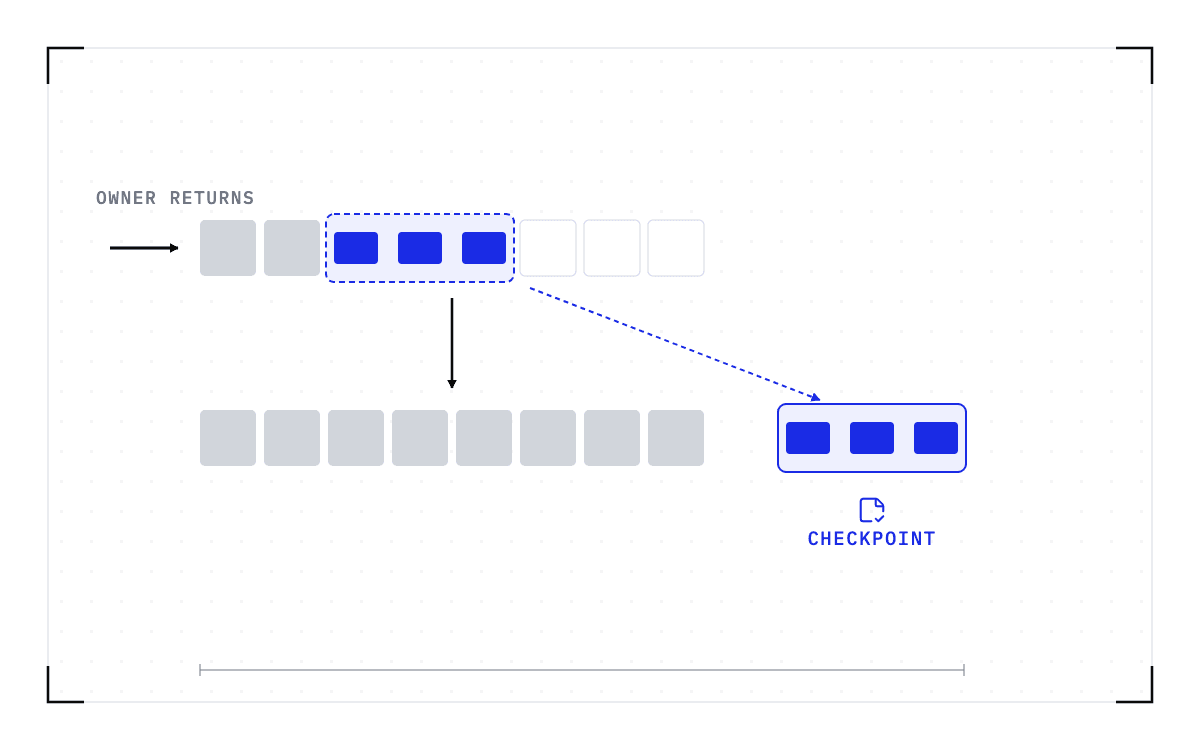

How to fill idle GPUs without killing the job that fills them
Compare how GPU schedulers lend and reclaim idle capacity, what preemption costs borrowers, and where checkpointing can preserve their work.
read →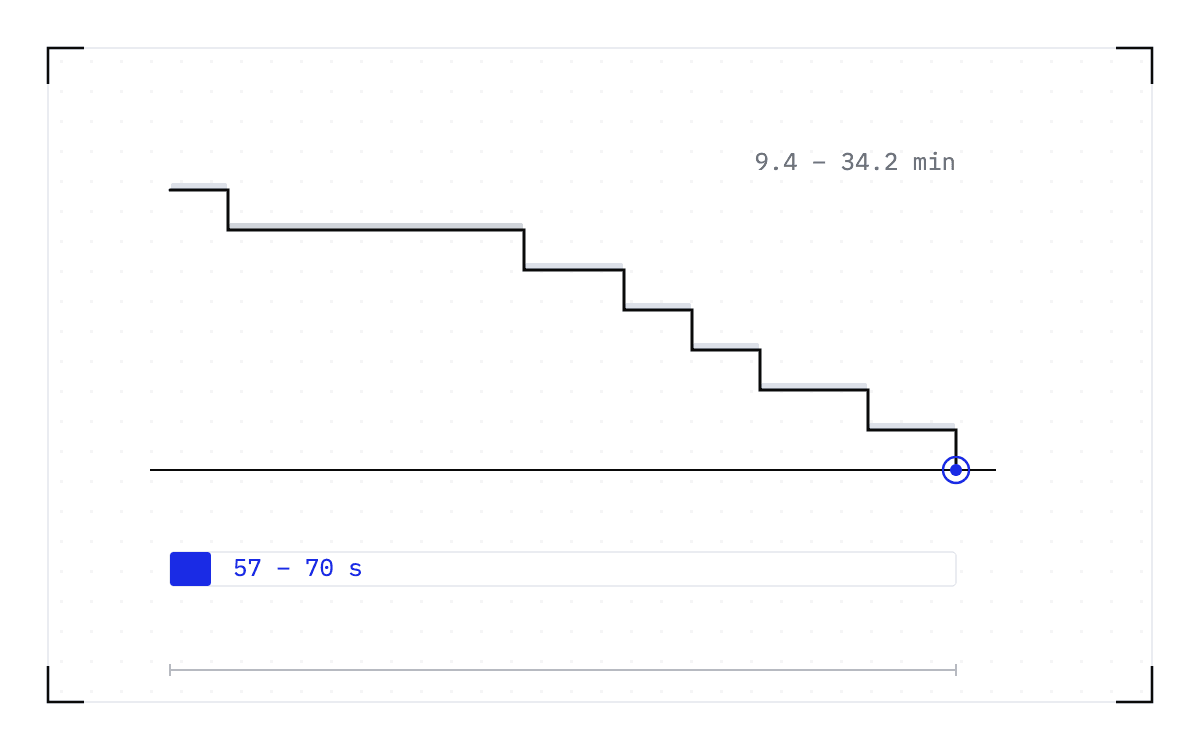

Where the minutes go when an LLM worker cold starts
Trace LLM cold starts through weight loading, compilation and warmup. Compare caching fixes with checkpoint restore and understand the storage limits.
read →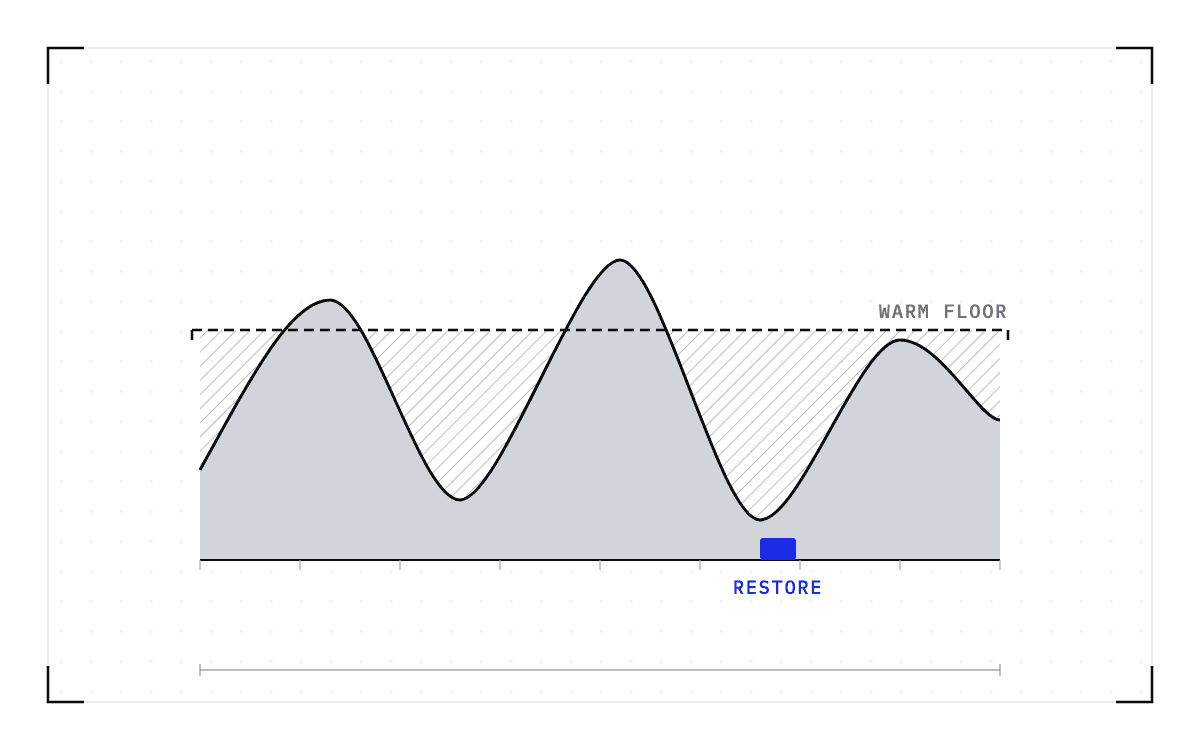

Can LLM inference scale to zero without paying for warm replicas?
Understand when LLM inference can scale to zero, what warm replicas cost, and how restore time and request latency determine the capacity you keep ready.
read →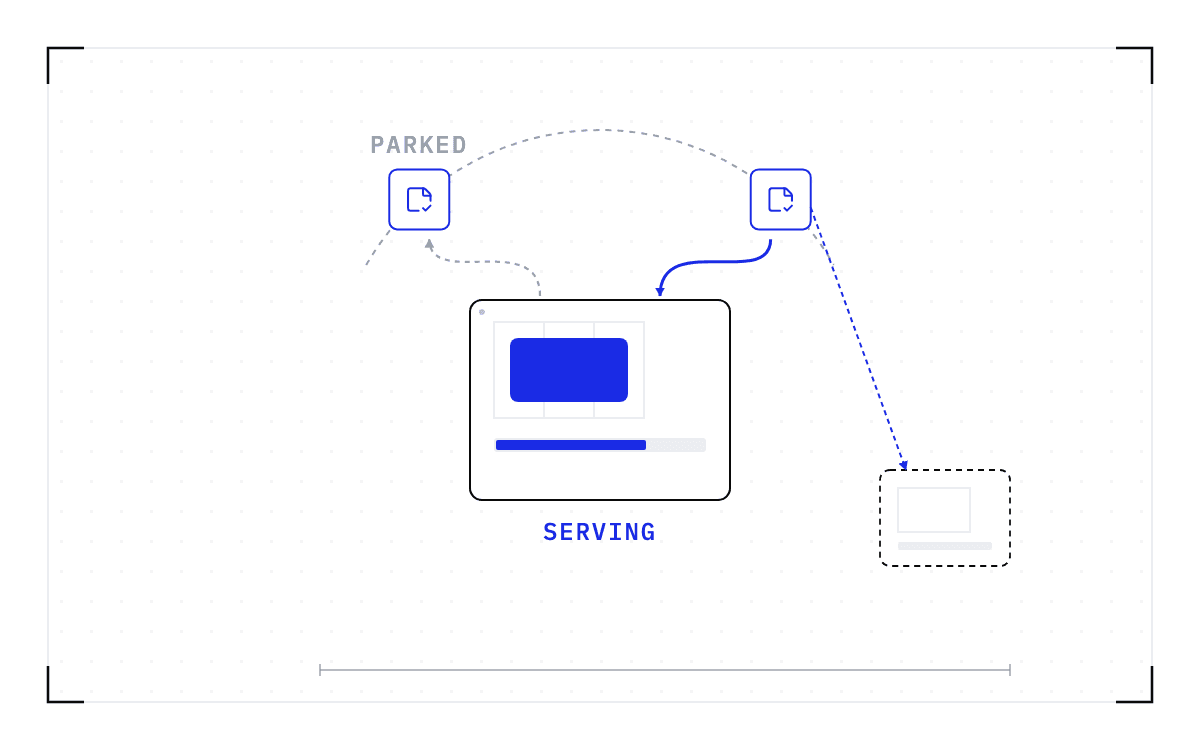

How to swap models on one GPU without a cold start
Compare GPU model swaps using vLLM sleep mode, SGLang and checkpoint restore. Learn where parked state lives and what each swap still costs.
read →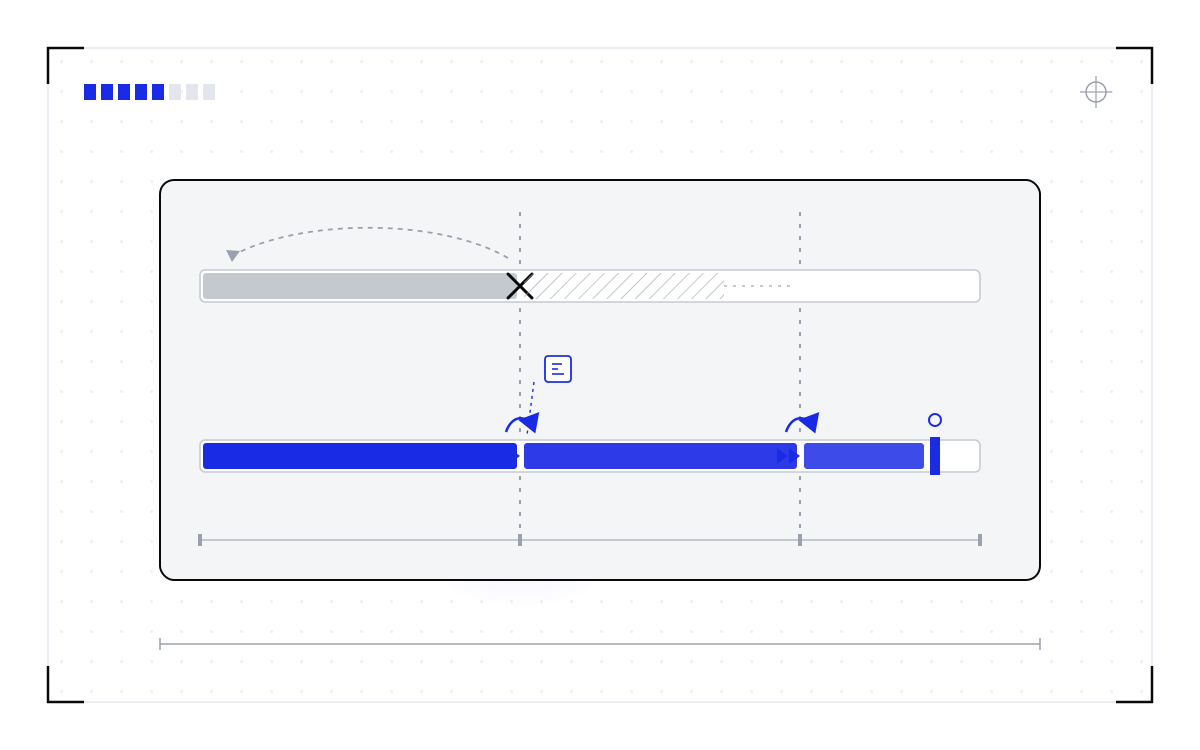
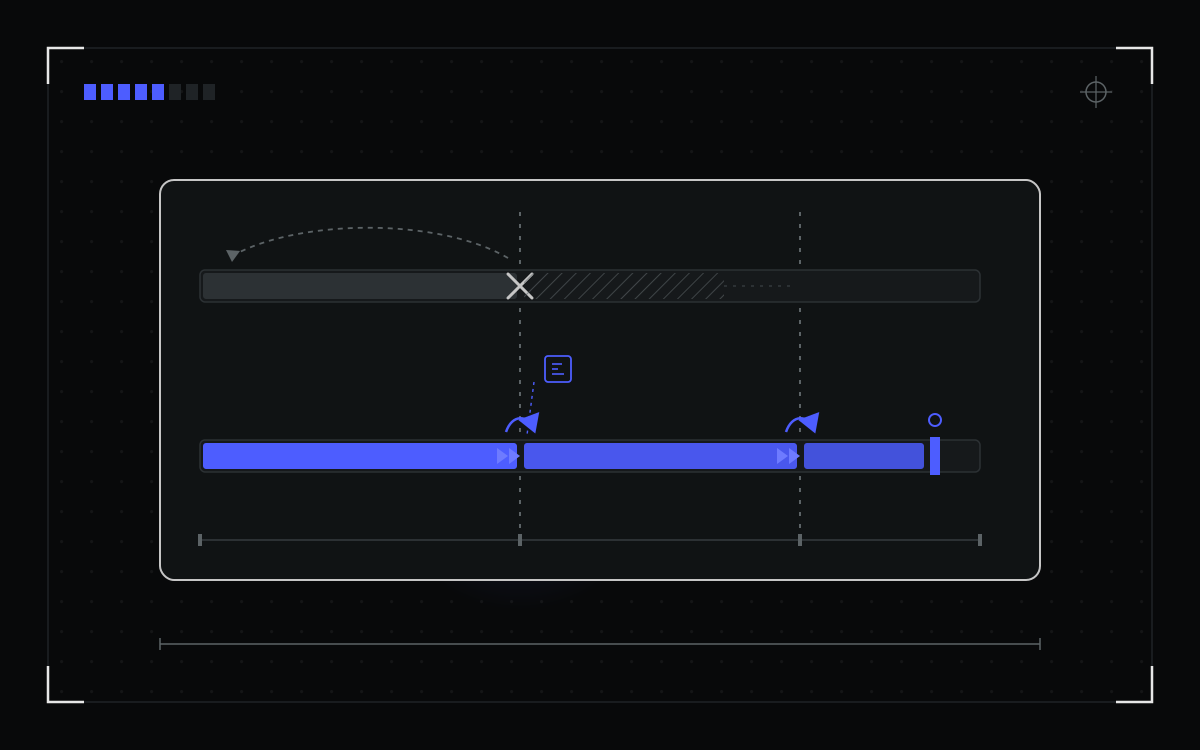
The Wall-Time Limit Forces an Expensive Tradeoff in HPC.
Jobs reach their wall-time limits and lose hours or days of in-memory progress. However, the limit itself is not the problem.
read →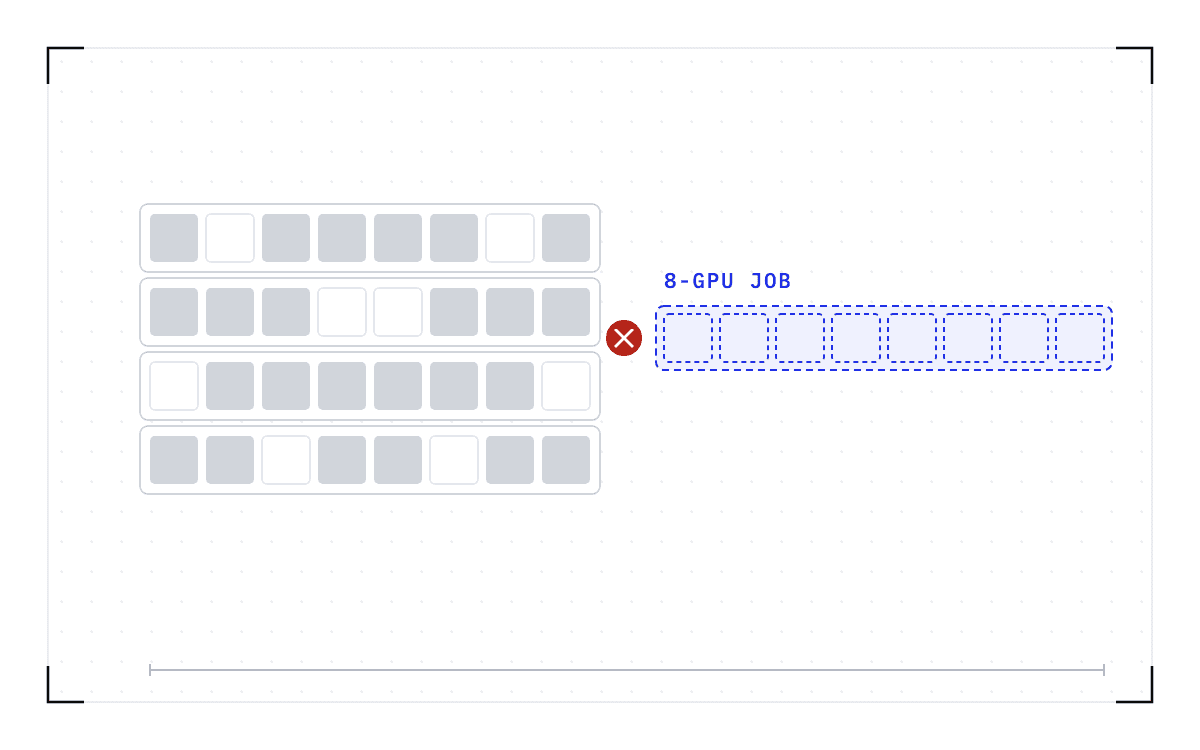

Why a cluster with free GPUs still cannot place an 8-GPU job
See why scattered free GPUs cannot fit a large job, what bin packing and consolidation change, and why moving running state matters for defragmentation.
read →Showing 61–72 of 99 posts