

Writing from the
cedana team.
insights from the team.
Field reports, engineering deep-dives, and benchmarks from the Cedana team.
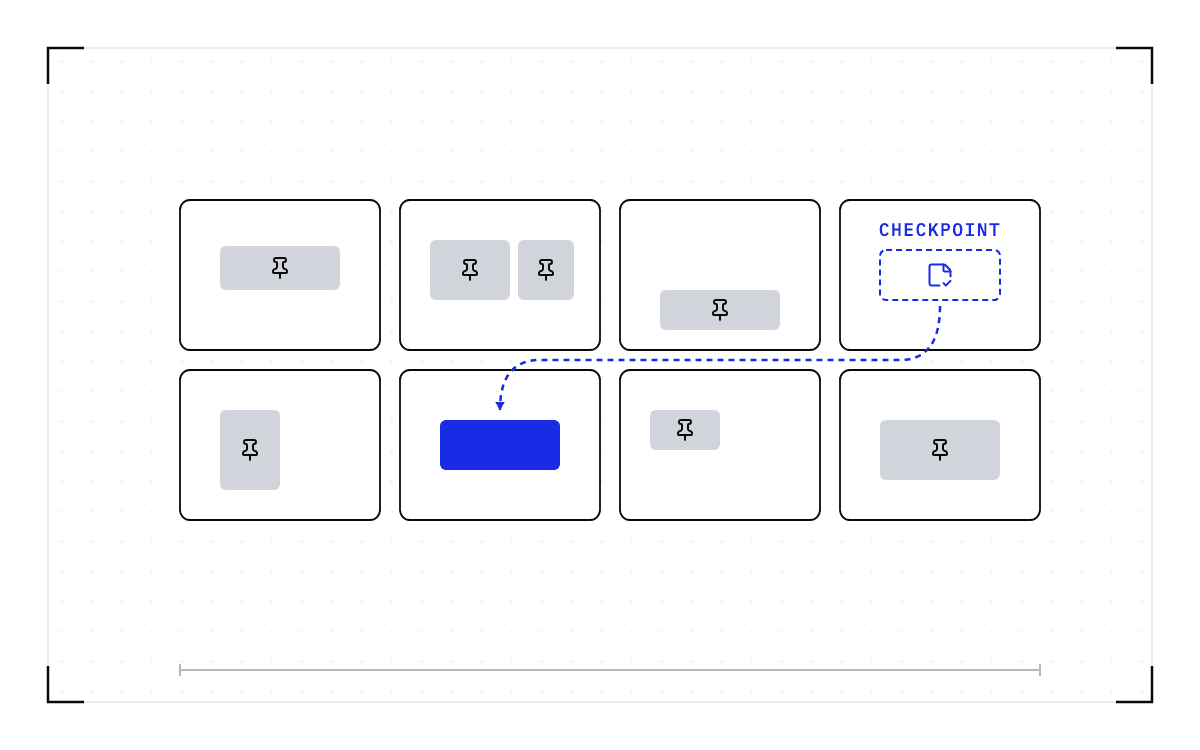

What would a GPU scheduler do differently if it could move running jobs?
Compare how GPU schedulers handle placement, preemption and time limits, and what checkpointing could change once a job has already started.
read →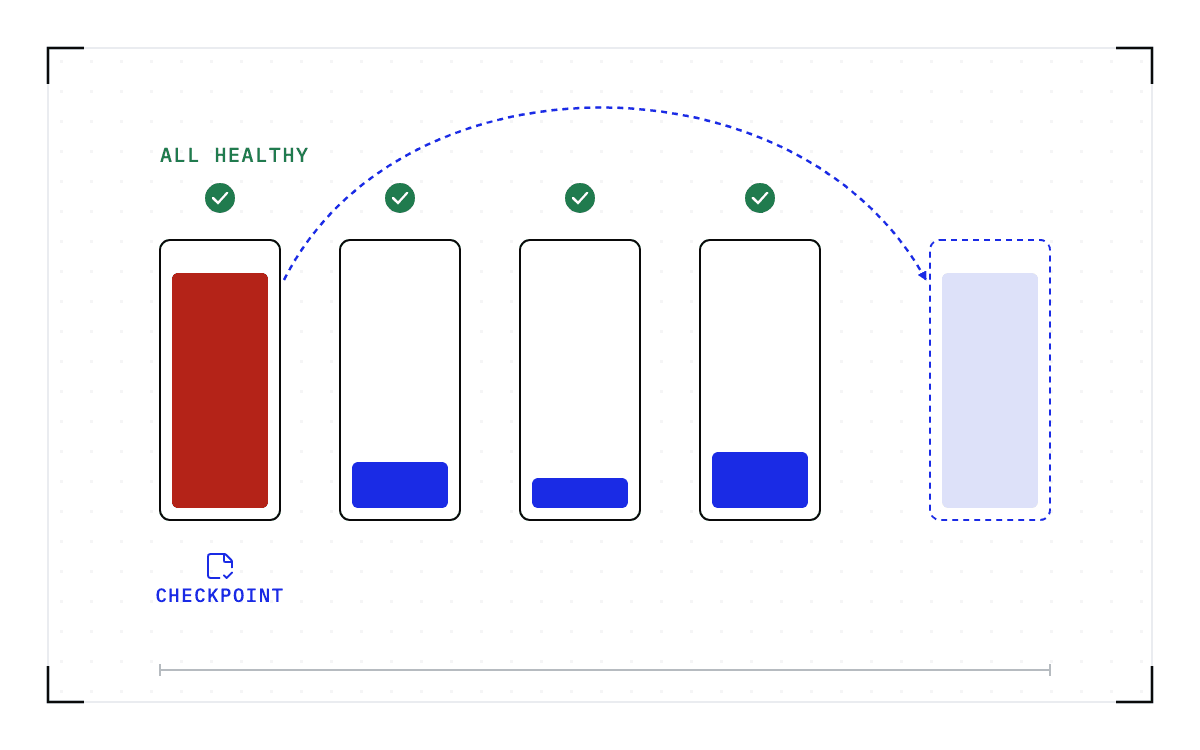

Why a healthy inference worker can still be in the wrong place
Understand how GPU topology, decode load and hardware fit affect inference workers, and why admission-time placement cannot rebalance running sessions.
read →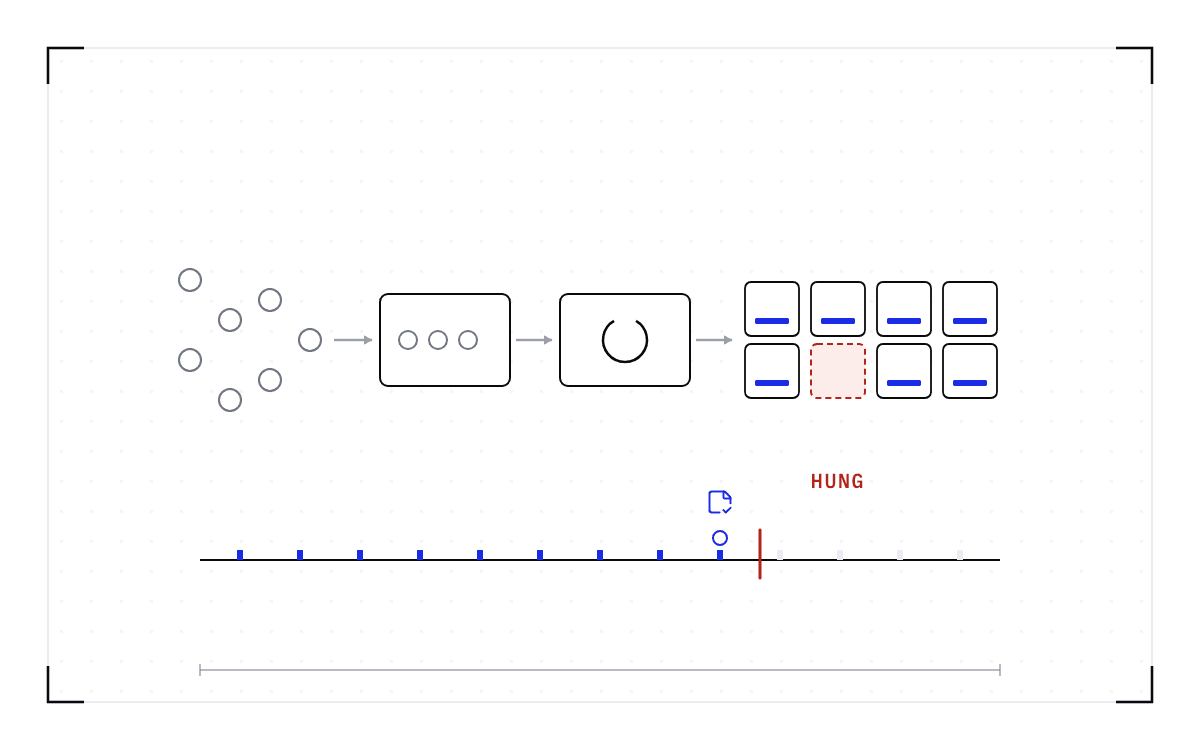

What to do when vLLM or SGLang stops responding and nothing crashed
Separate a stalled serving engine from a hung GPU. Understand health-check limits and why recovery needs a checkpoint from before the engine stopped.
read →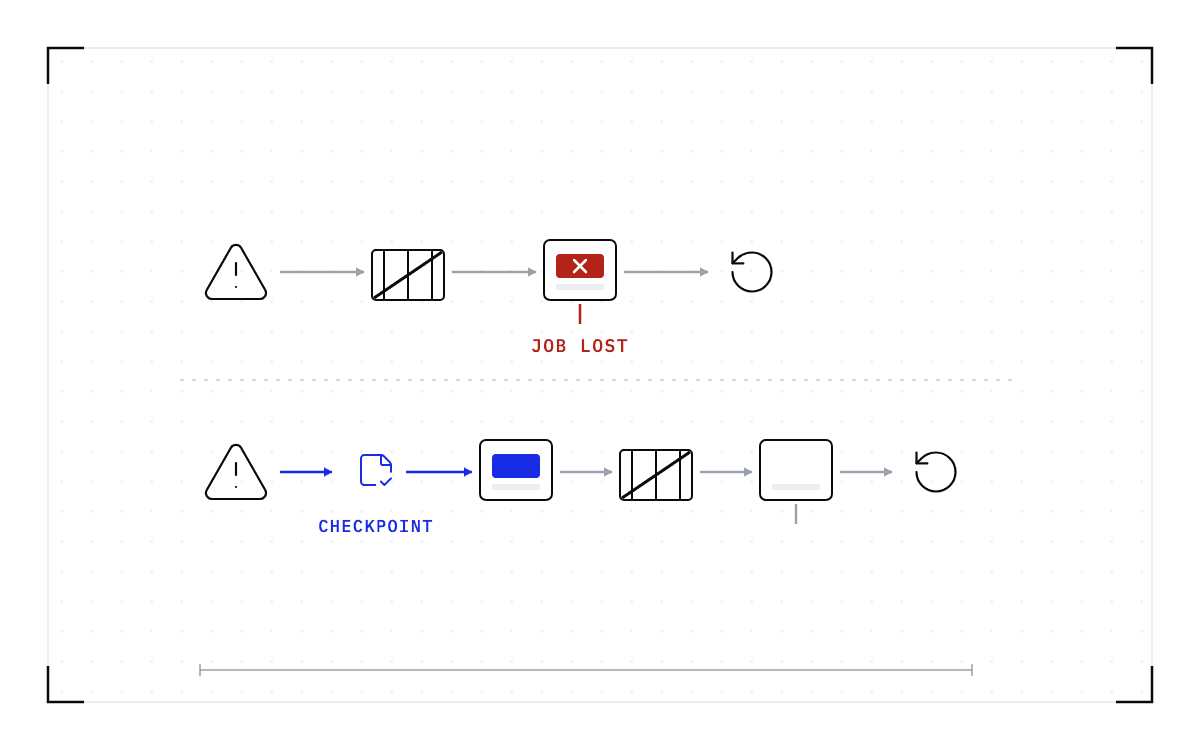

What to do when DCGM flags a GPU that has a job running on it
Interpret DCGM and Xid alerts, distinguish repair from workload recovery, and decide which checkpoint to restore before draining a degraded GPU node.
read →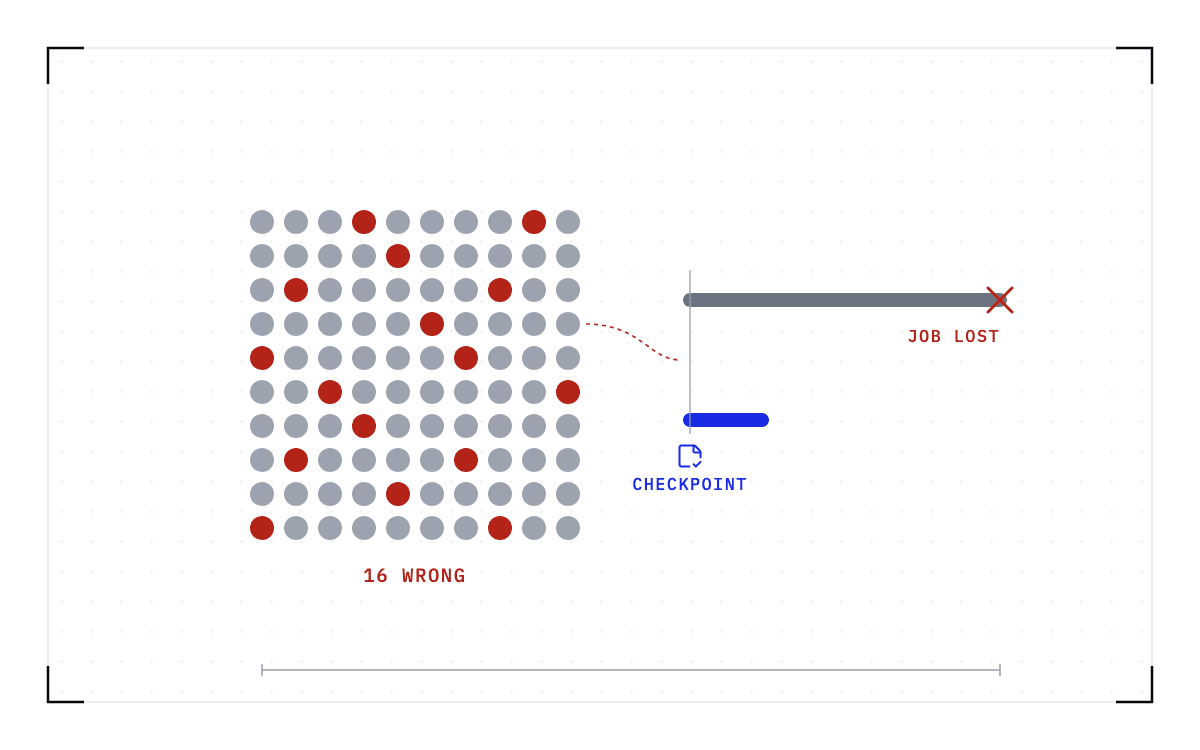

Is it worth acting on a GPU failure prediction?
Assess GPU failure predictions using precision, warning time and the cost of acting. Understand what checkpoints change and which failures give no warning.
read →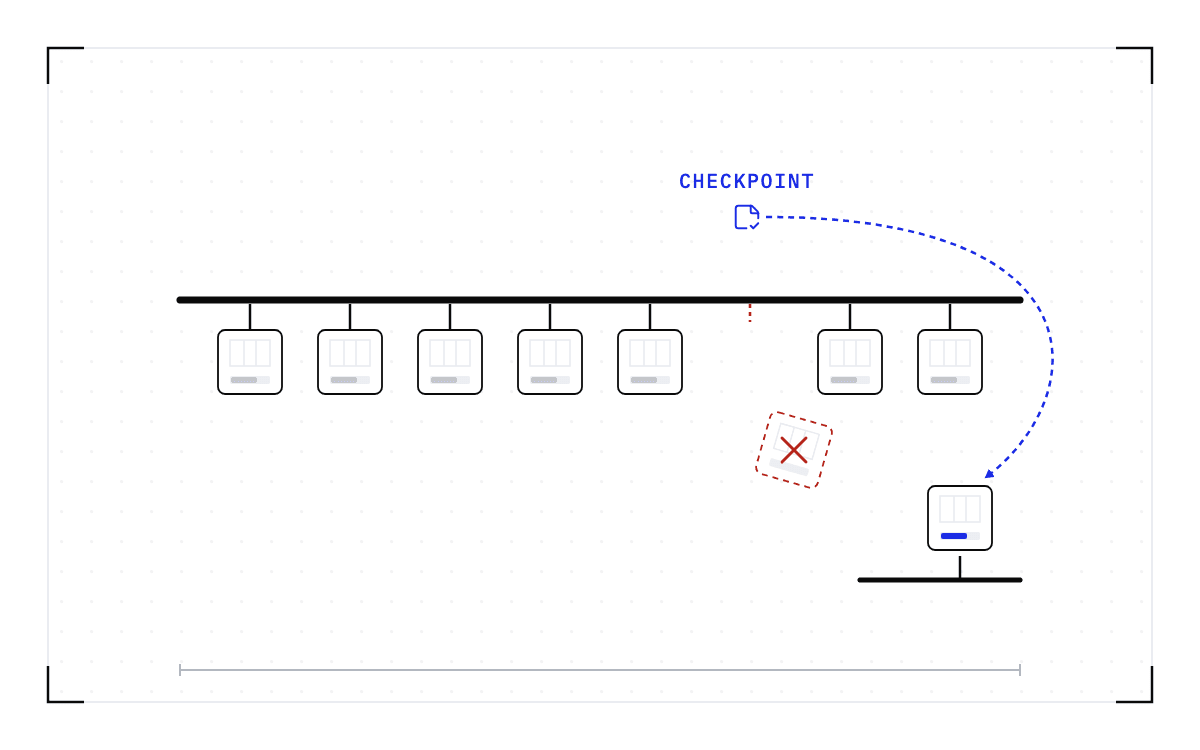

What happens to a training job when a GPU fails
Understand Xid faults, GPU resets and the state a training job loses. Learn why recovery depends on a checkpoint taken before the hardware fails.
read →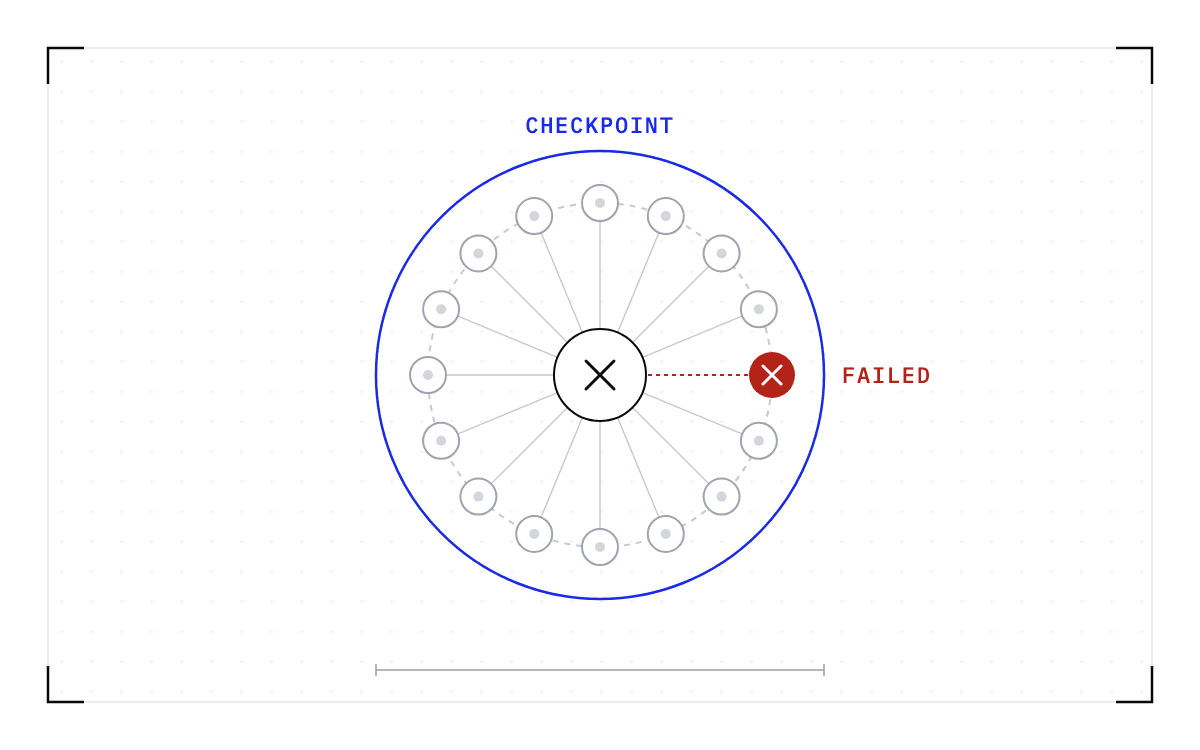

One node failed and the whole training job died
Learn why one failed rank stops a distributed training job, what NCCL timeouts mean, and how checkpoint state determines what a restart can recover.
read →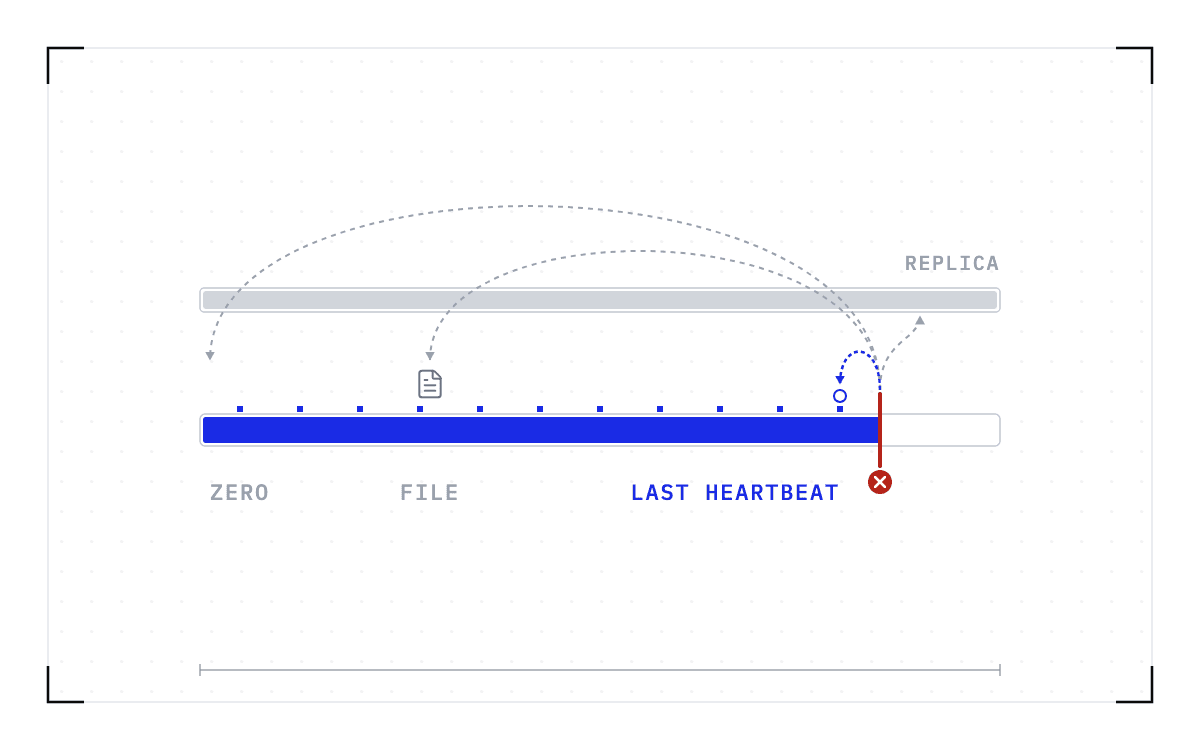

What torchrun, torchft and Ray Train restart from when a node dies
Compare how torchrun, torchft, Ray Train and Kubeflow recover after a node fails, including saved state, code changes and checkpoint intervals.
read →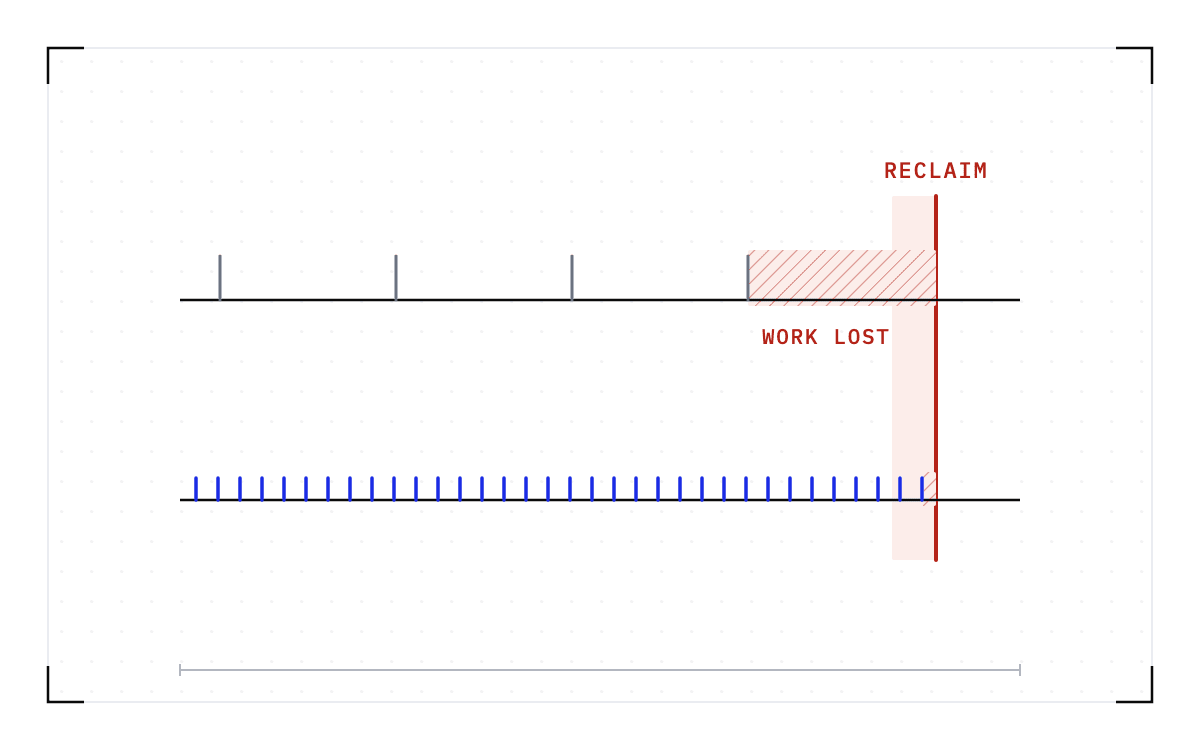

What happens to a training job when a spot instance is reclaimed
Compare spot interruption windows and recovery costs for GPU training. Learn what must be saved before reclaim and when spot remains worth using.
read →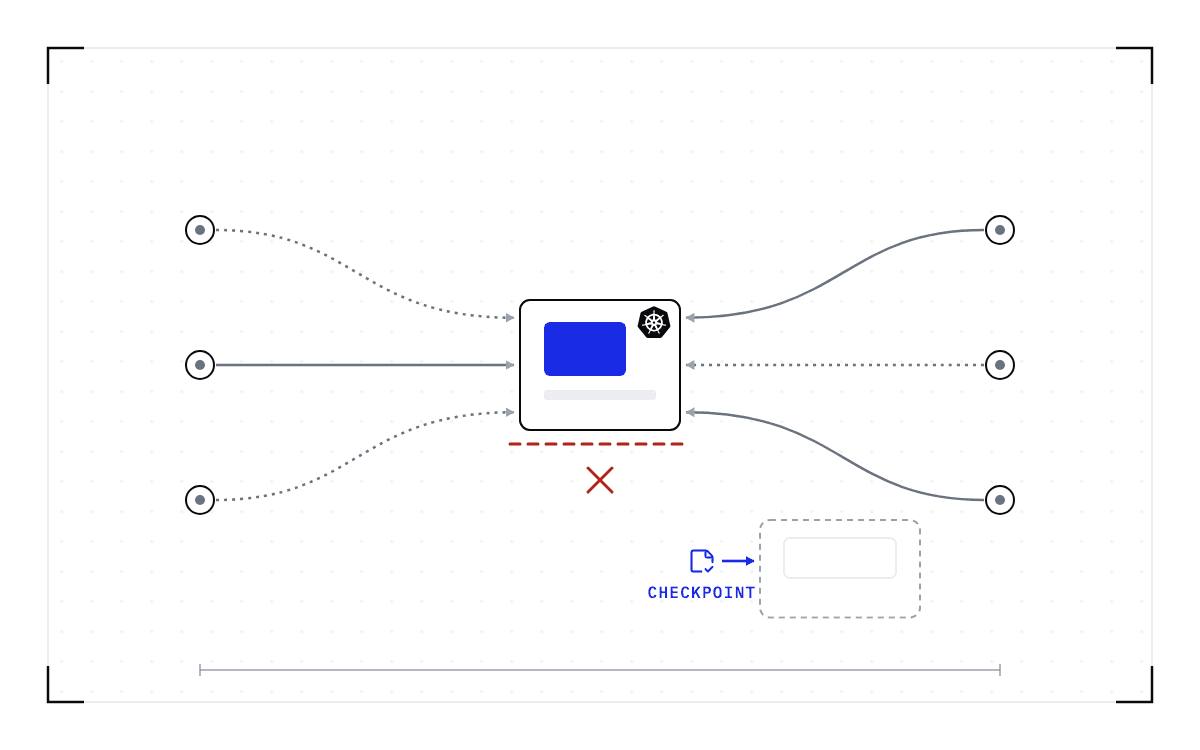

What happens to a GPU pod when Kubernetes ends it
Compare the ways Kubernetes ends GPU pods, the warning each path provides, and what checkpoint recovery needs after eviction or spot-node termination.
read →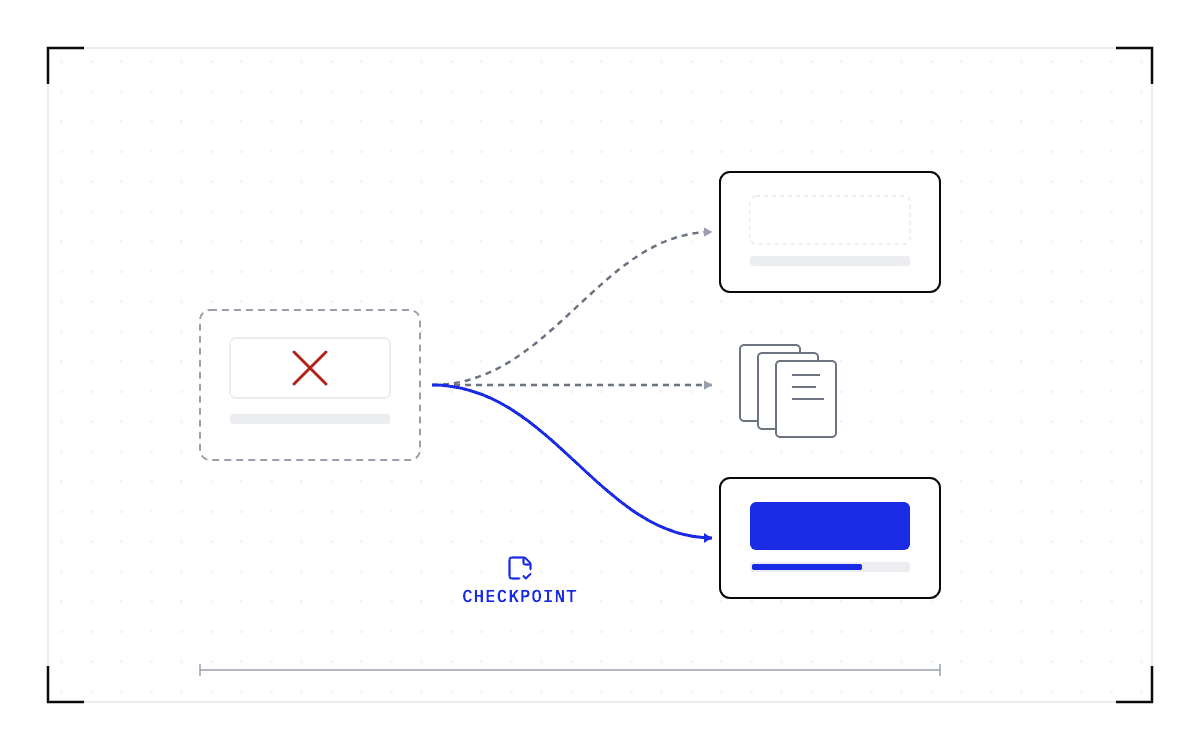

What SkyPilot, Ray Train, SageMaker and MemVerge bring back after a spot reclaim
Compare spot recovery tools by the machines, files or running state they restore, the checkpoint code they require and their published limits.
read →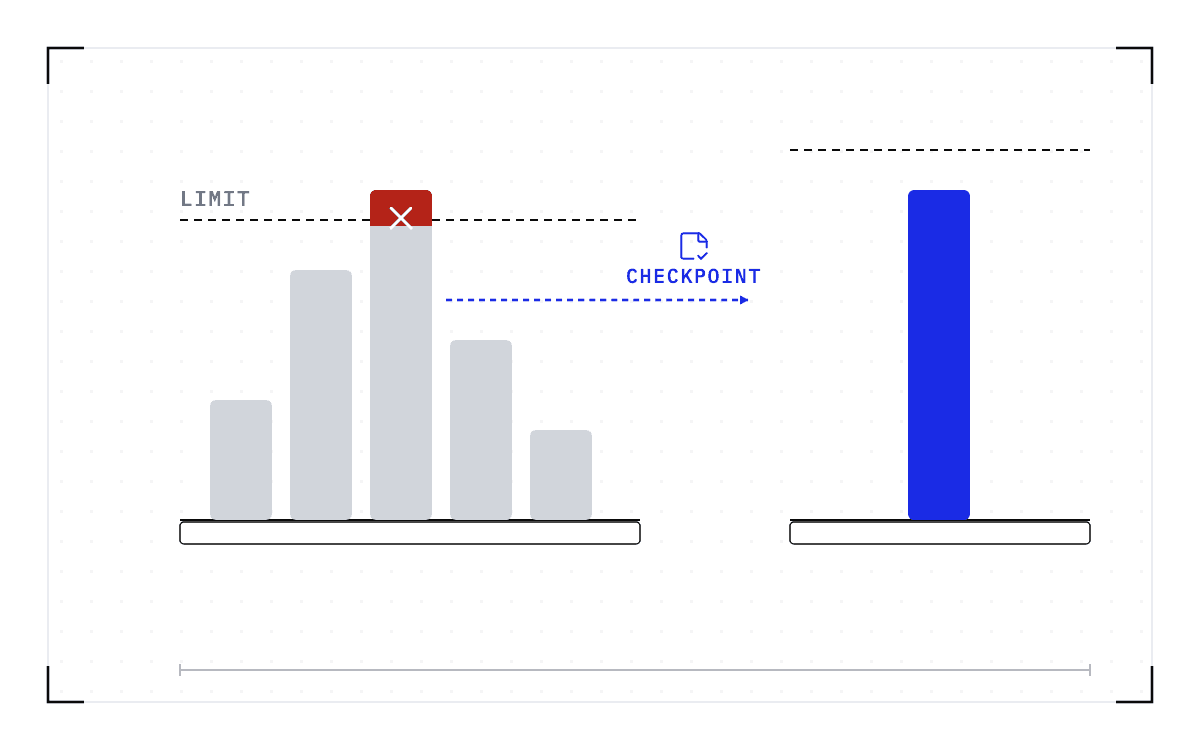

What happens when a cluster job runs out of memory
Identify which memory limit killed your cluster job, where to find the evidence, and why recovery requires state saved before the OOM kill.
read →Showing 73–84 of 99 posts