

Writing from the
cedana team.
insights from the team.
Field reports, engineering deep-dives, and benchmarks from the Cedana team.
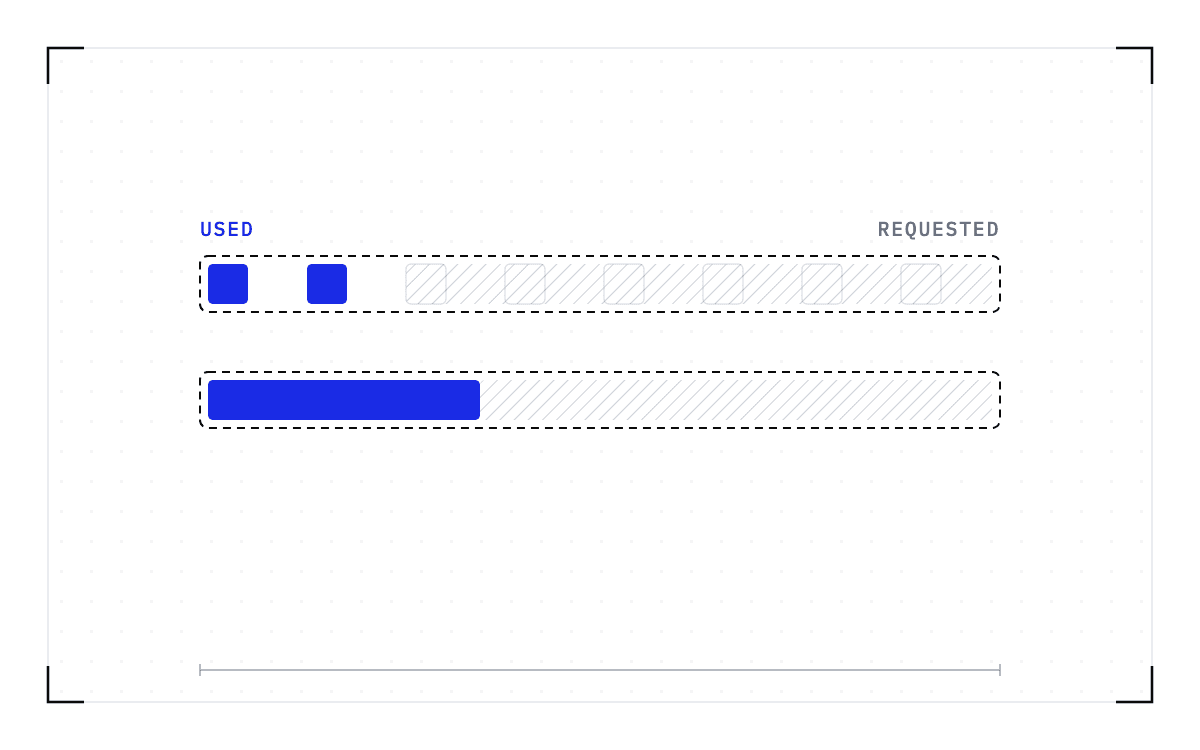

Why everyone over-requests memory on a shared cluster
Understand why cluster users request extra memory, how Slurm limits and sampled peaks affect sizing, and what changing an allocation costs.
read →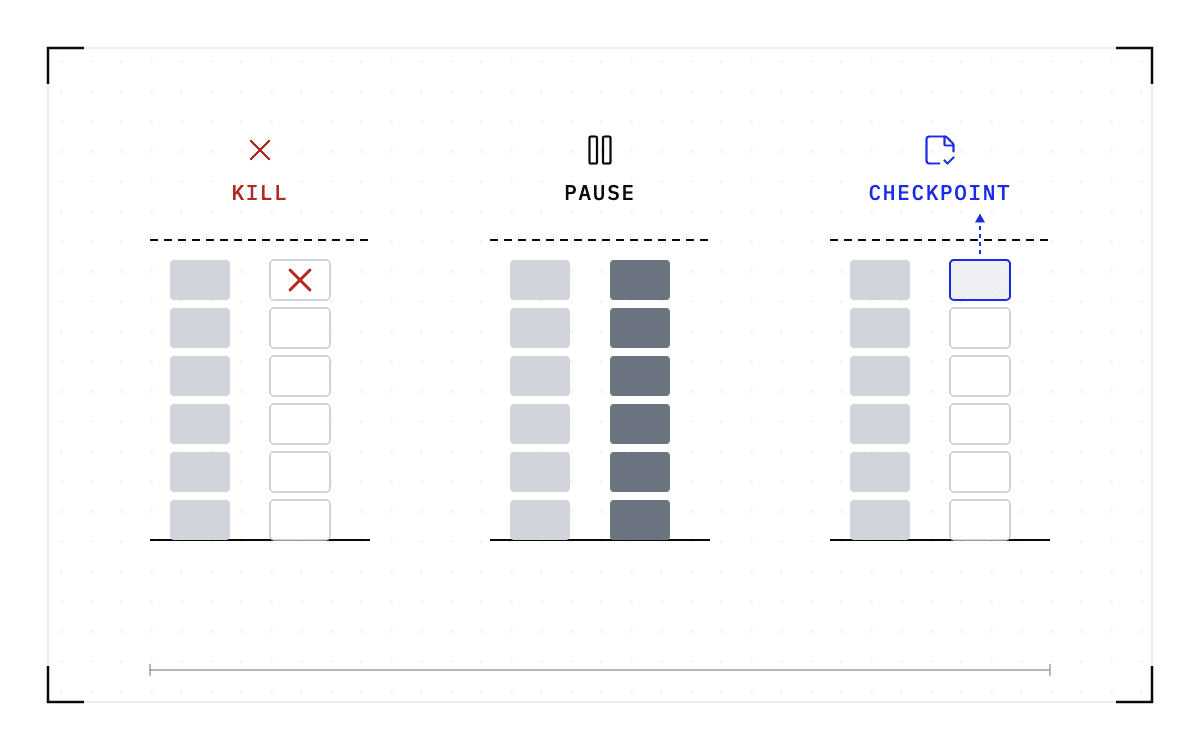

Can Linux pause a process instead of killing it when memory runs out?
Learn why pausing a process does not free RAM, what earlyoom and systemd-oomd can do, and when checkpointing must act to preserve running work.
read →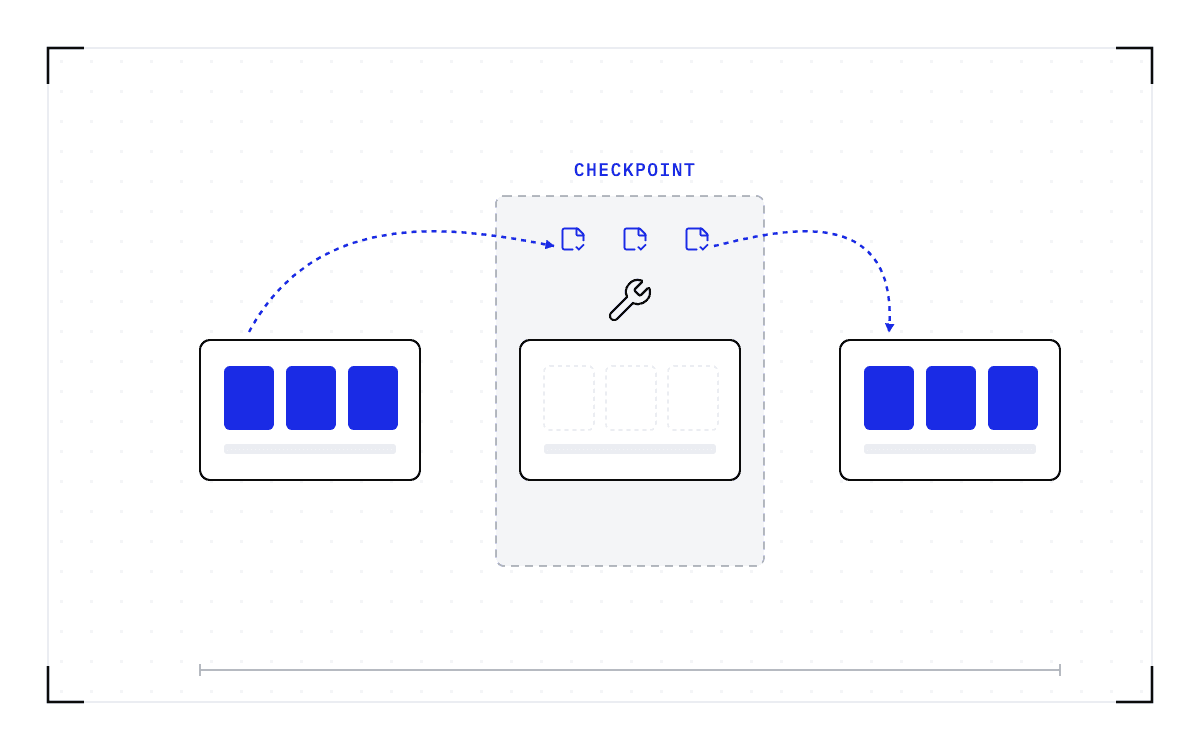

Draining a GPU node in Kubernetes without losing the work on it
Understand what a Kubernetes drain does to GPU pods, how disruption budgets affect it, and how to plan checkpoint and restore around maintenance.
read →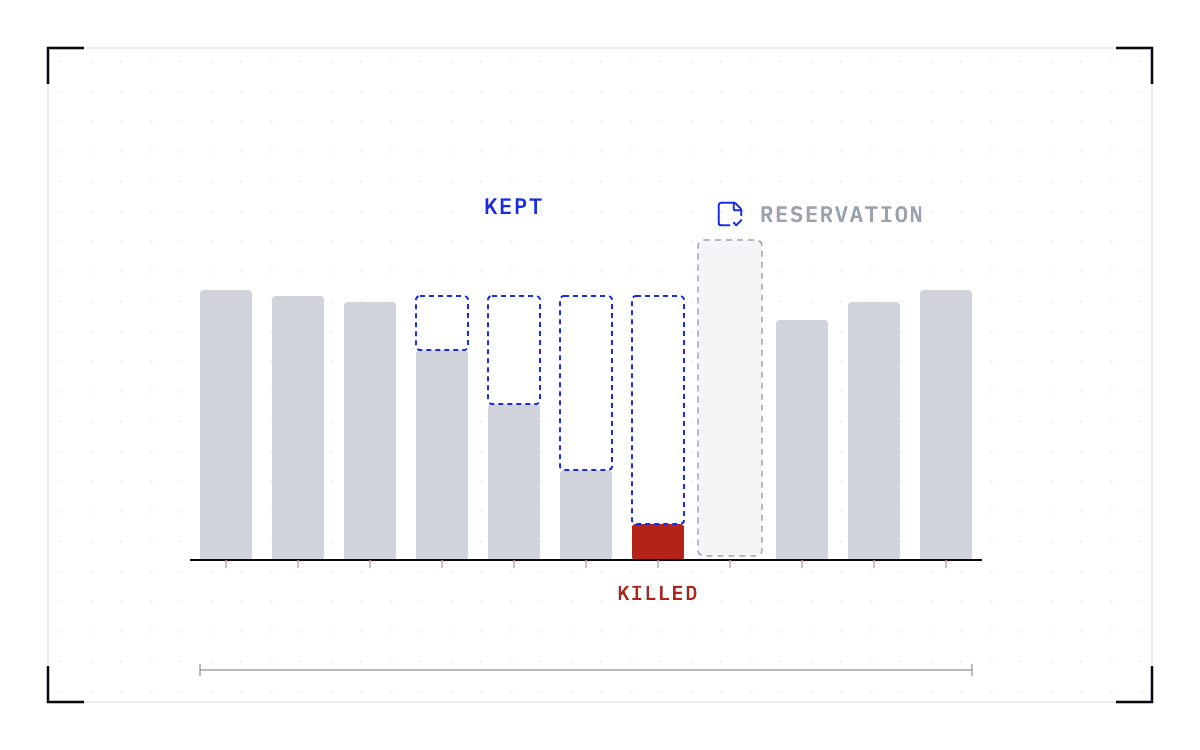

Rebooting Slurm nodes for a kernel update without losing the running jobs
Compare Slurm reboot and reservation workflows, account for the idle time before maintenance, and plan checkpoint recovery around a kernel update.
read →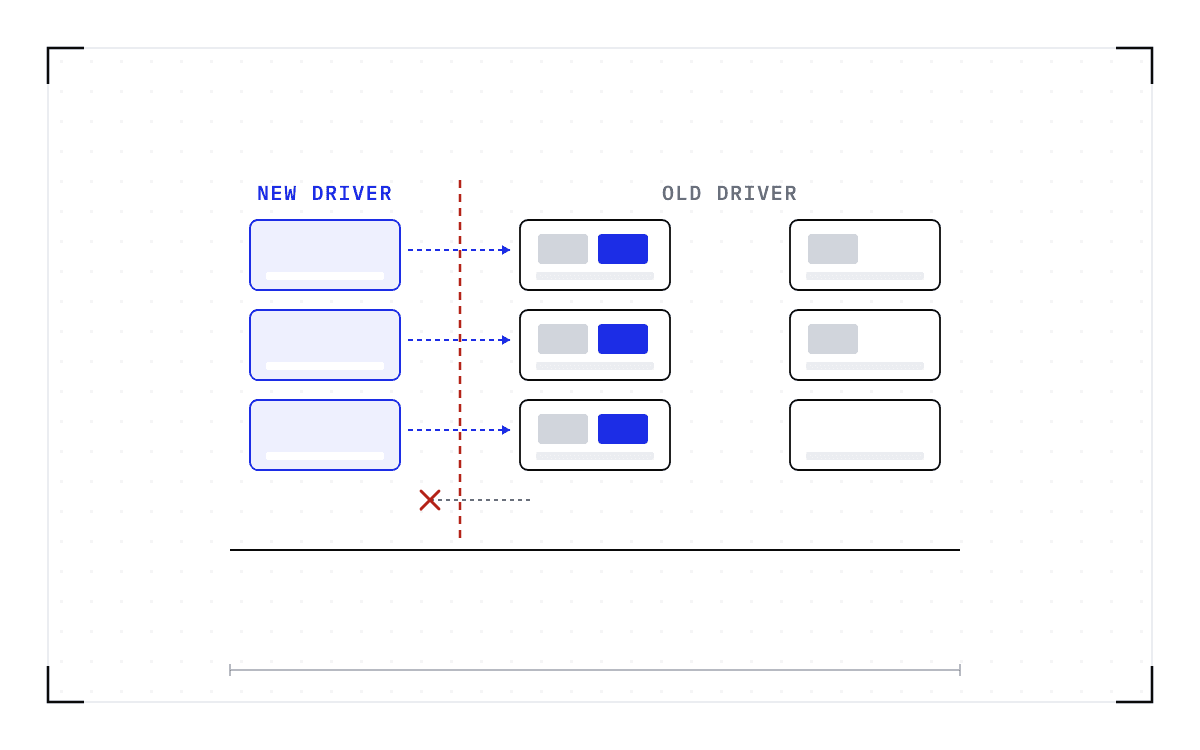

Why an NVIDIA GPU Operator upgrade waits for your workloads
Learn why GPU Operator upgrades wait for active workloads, what causes driver pods to stall, and how compatibility limits shape a rolling upgrade.
read →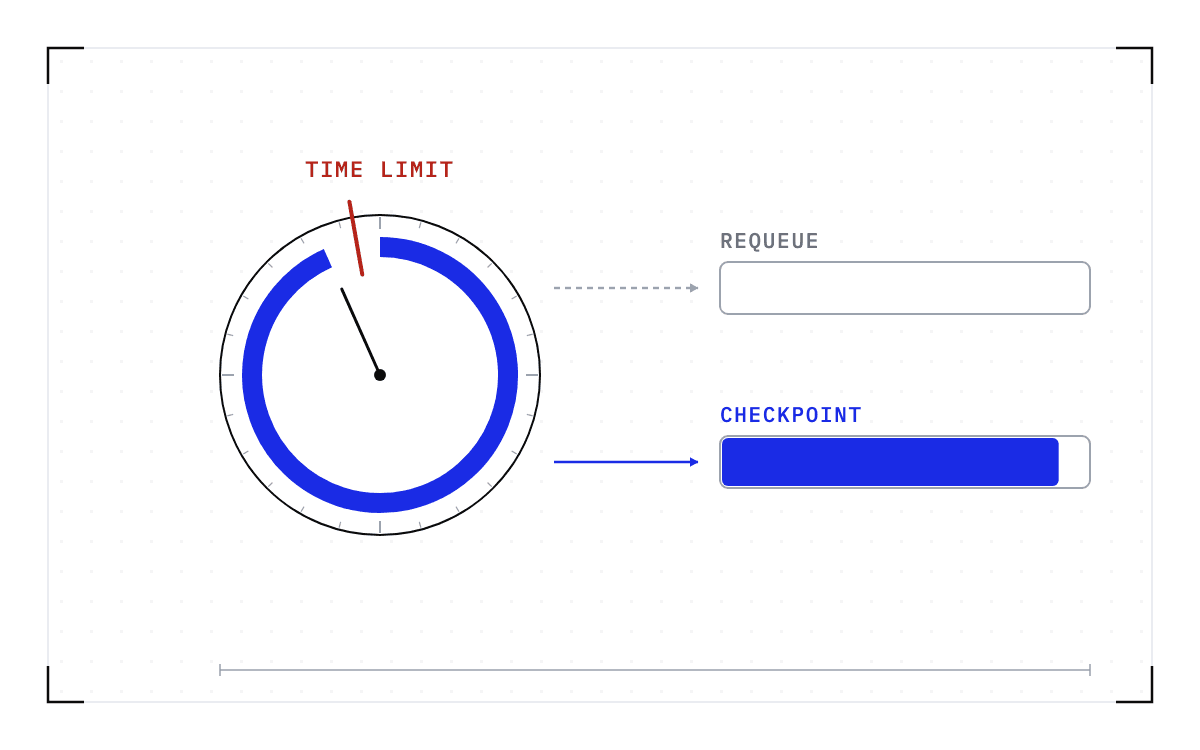

Your Slurm job was cancelled due to time limit. What to do now
Confirm a Slurm TIMEOUT, check what progress survived, and compare checkpoints, requeue and job chains for runs that exceed the wall-time limit.
read →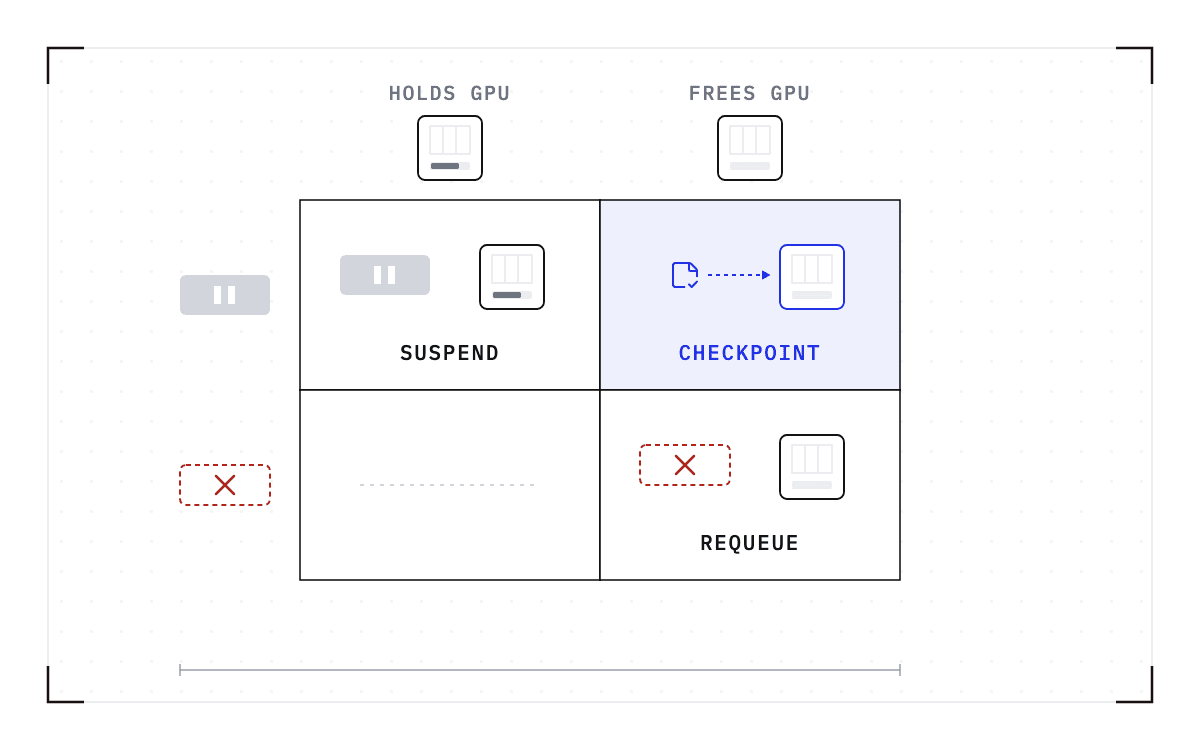

Slurm has no suspend option for GPU jobs. What preemption without killing the job looks like
Learn why Slurm suspend keeps GPUs allocated, how requeue and grace time work, and where checkpointing can preserve a preempted job's progress.
read →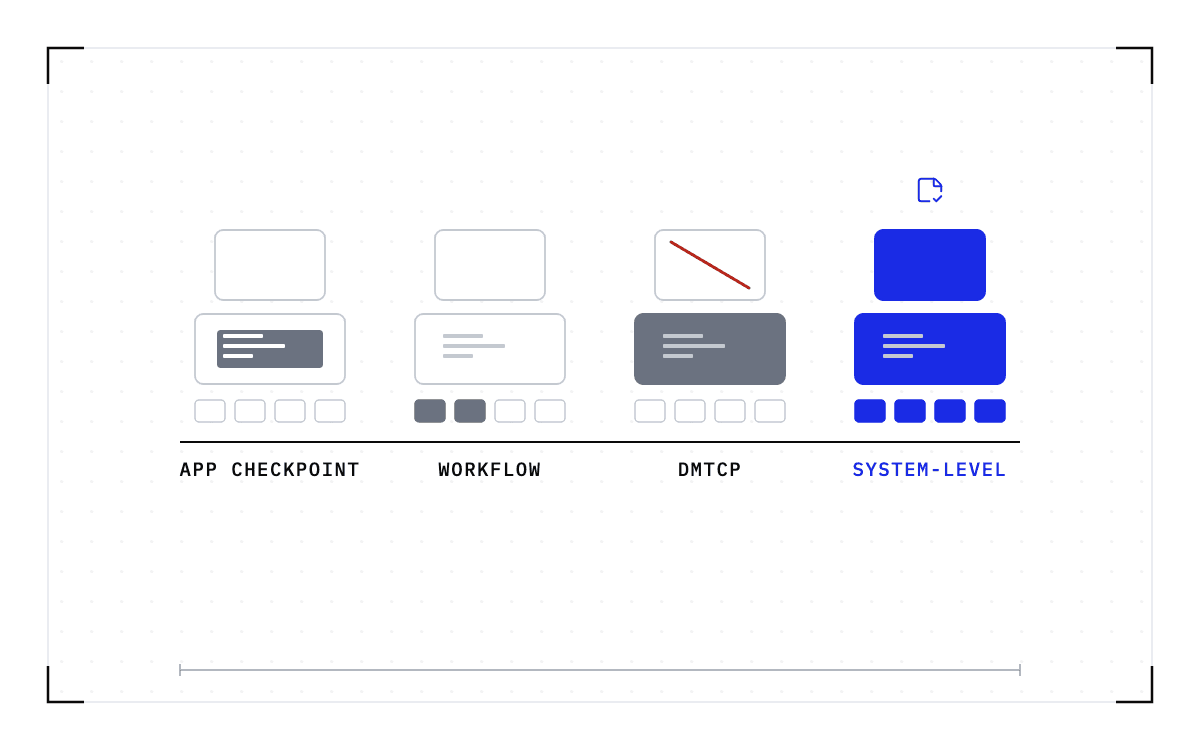

DMTCP, application checkpoints, workflow managers and system-level checkpointing: what each covers on a Slurm cluster
Compare application checkpoints, workflow resume, DMTCP and system-level GPU checkpoints for Slurm jobs, including setup responsibilities and limits.
read →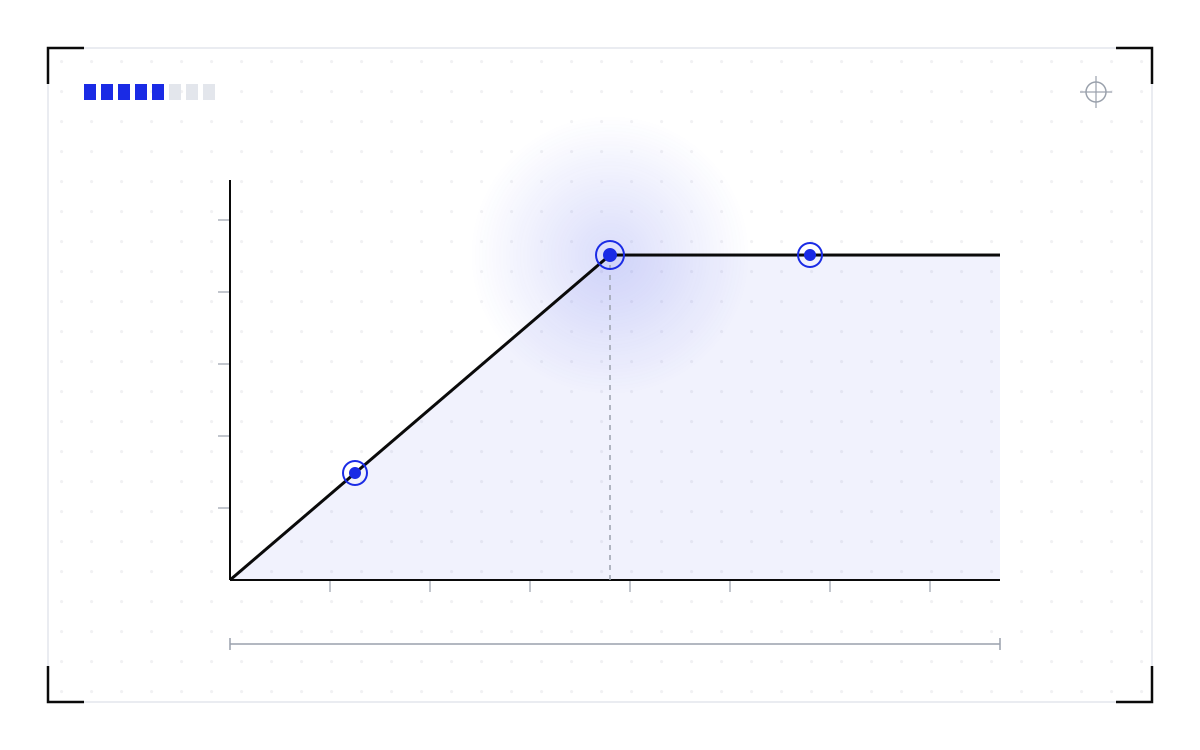
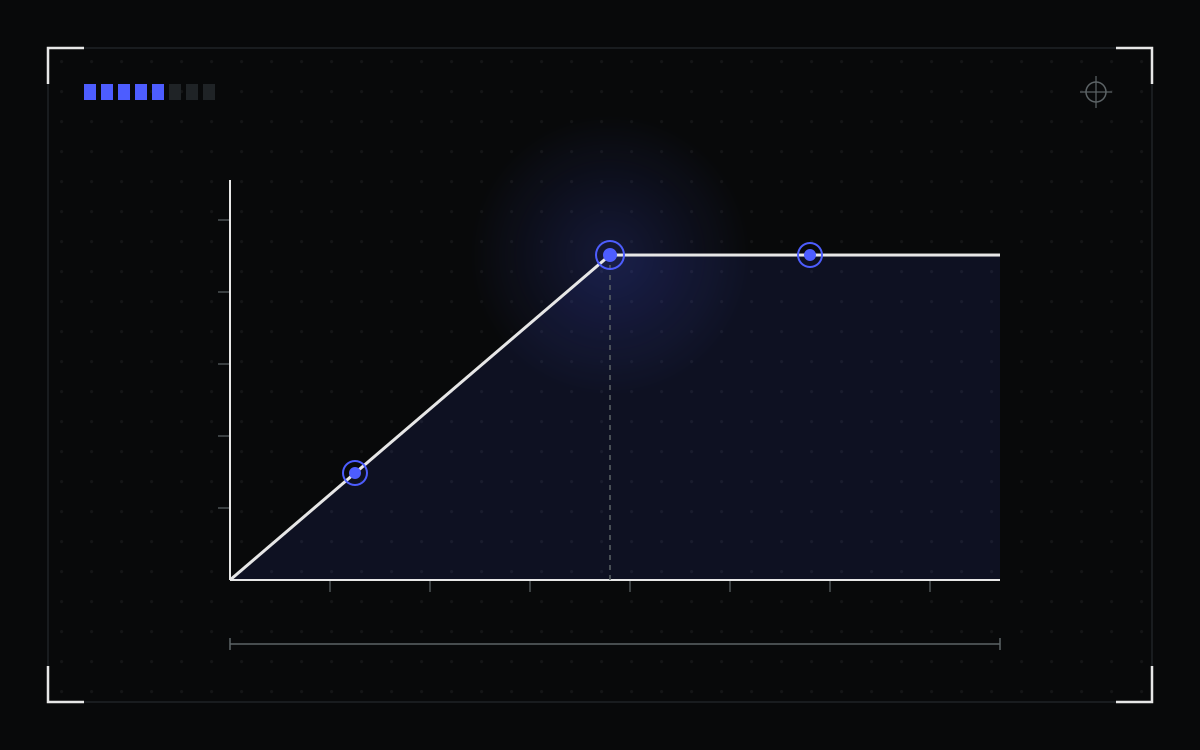
Roofline Analysis and the Inference Value Chain
Once you stop renting intelligence, you own performance.
read →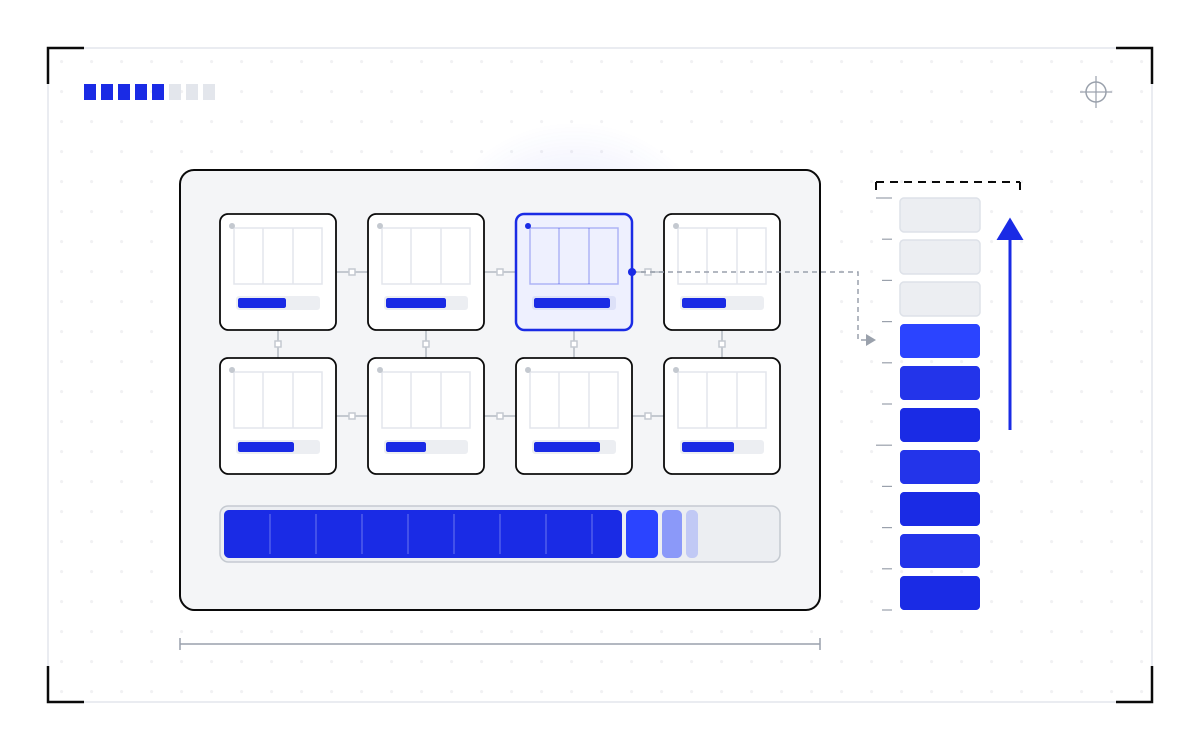
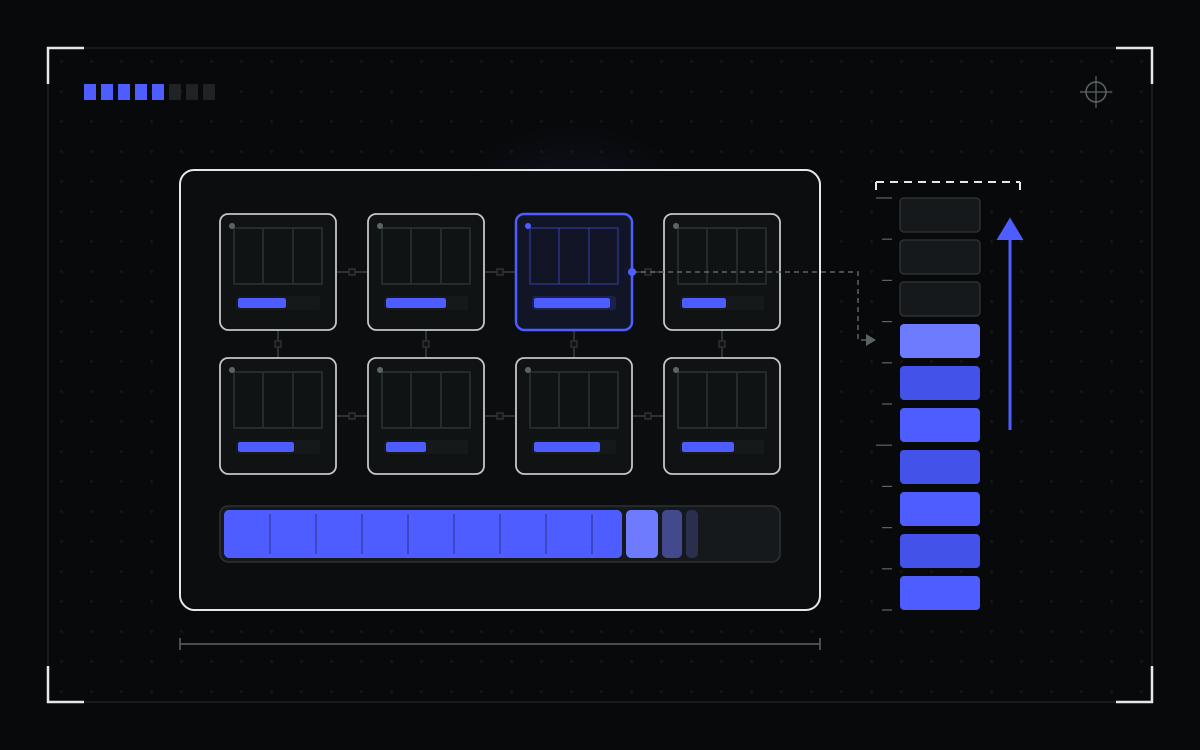
The Era of Stateful Inference: How to Improve Cost per Token.
We are entering the stateful inference era, driven by frontier models with longer context windows, longer in-flight sessions, and single instances spanning 8, 16, or more GPUs.
read →
The Utilization Ceiling: Why AI and HPC Schedulers Hit 30% and How to Fix This
GPU utilization across AI and HPC workloads is fundamentally capped at 30% because schedulers cannot migrate running jobs. Cedana's CPU and GPU migration capability surpasses this limitation, unlocking near-full utilization.
read →
The Fork in the Road Post GPT-5
On GPT-5 being underwhelming, scaling laws and where we can get reasonable progress from. Also, should AGI still be the goal?
read →Showing 85–96 of 99 posts